
Finding Music That’s Right For You
Do you love listening to music? And do you have a hard time finding music that is light and cheery and easy to listen to? I love listening to music as well! And I have put together a list of enjoyable music that has something for everyone and every mood. Peaceful, fun, energetic, soothing, happy, soul-stirring. Music that is just right for listening to every day.
Let’s start with a brief lesson in music history. This will cover the music eras, beginning with the Middle Ages. Then will go onto the Renaissance Era, Baroque Era, Classical Era, Romantic Era, and French Impressionism. It will end with the Twentieth and Twenty-First Centuries, which will include movie music, jazz fusion, contemporary vocal, folk music, and religious and inspirational music.
Each section has links to music from the time period. So, feel free to scroll through and listen to the links.
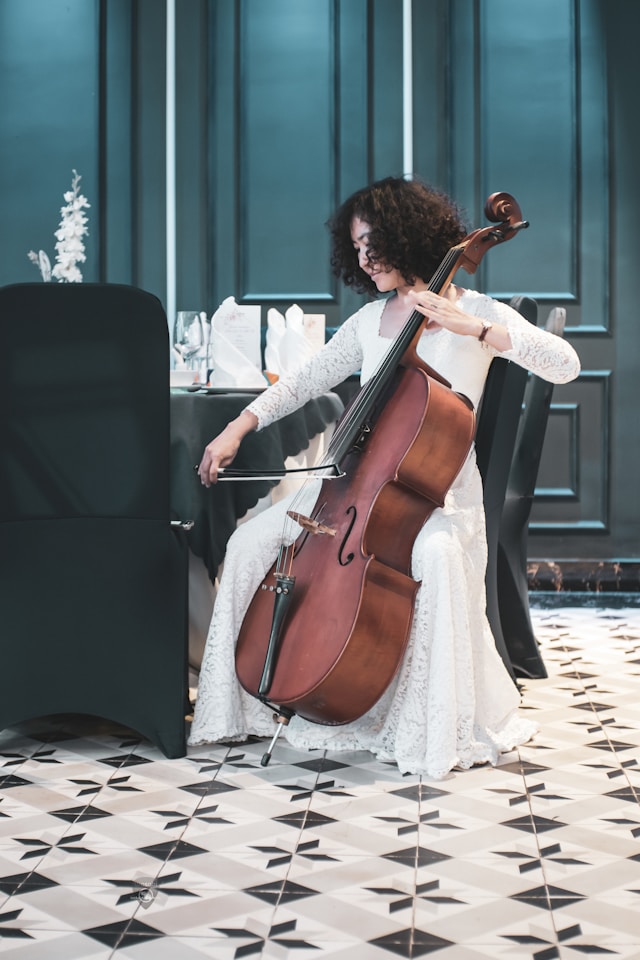
Photo by Van Space on Unsplash
MUSIC TERMS
These definitions might be helpful as we discuss the history of music.
Basso Continuo: “continued bass.” A bass line is played continuously, often by a cello. Used extensively in the Baroque Era, particularly in sonatas.
Cantata: similar to an oratorio, but on a smaller scale. It is also shorter, and it does not have to be based on a religious theme.
Chamber Music: written for small instrumental ensembles, with one instrument per part. Sometimes featuring a vocal or instrumental soloist. Performances were held in private salons or chambers of the upper-classes during the Baroque Era.
Chanson: a French song form that became popular during the Renaissance Era.
Concerto: an instrumental solo accompanied by an orchestra.
Counterpoint: melody lines that are equally important and are interdependent.
Delayed Harmonic Resolution: a technique that extends the resolution of a phrase or a musical idea for a prolonged length of time, thus creating and building tension, before resolving to the tonic (I) chord.
Dissonance: a lack of harmony which can create tension or a clash among the musical notes.
Fugue: a composition that incorporates counterpoint. A melody is introduced and then is played by other instruments, thus intertwining the parts.
Fortissimo: ff, to be played very loudly.
Fortissississimo: ffff, to be played very very very loudly.
Madrigal: a song written for several voices, often using counterpoint, and often unaccompanied. Popular during the Renaissance Era.
Meter Displacement: changing where the accent typically falls within a measure, thus creating an unexpected feeling for the listener.
Monophony: music that is for one voice or instrument.
Opera: a theatrical work that is sung, accompanied by an orchestra.
Oratorio: a large-scale religious composition written for choir and solo voices, and accompanied by an orchestra. Unlike opera, it does not incorporate costumes or theatrical staging. The most well-known oratorio is The Messiah by George Frideric Handel.
Pianissimo: pp, to be played very softly.
Pianissississimo: pppp, to be played very very very softly.
Polyphony: music that is for two or more voices or instruments.
Polytonality: using 2 or more keys at the same time.
Sonata: a solo instrument form, with several movements, accompanied by harpsichord (now piano), and often including basso continuo.
Suite: an instrumental form, usually dance pieces, involving one or more instruments, with several movements to be performed in succession.
Timbre: the color of the tone, the quality of the sound.
MUSIC HISTORY
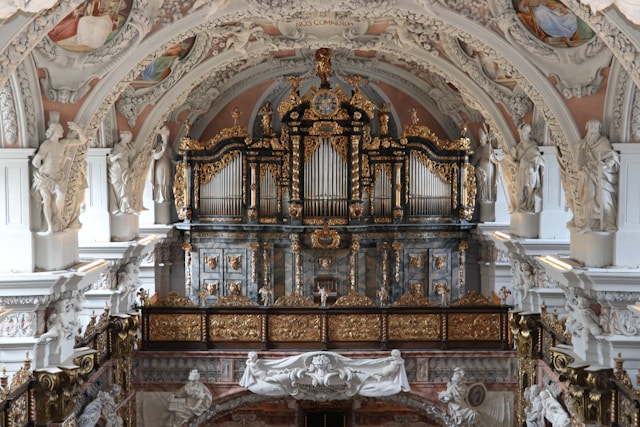
Wilhelm Krennmayr
When someone says they love listening to Classical Music, do they actually mean that they love listening to the music of Beethoven, Mozart, Hayden, and Schubert? In order to be accurate when we talk about the various eras of music, we need to have a basic understanding of these eras, the composers from them, and the way these composers influenced the development of music.
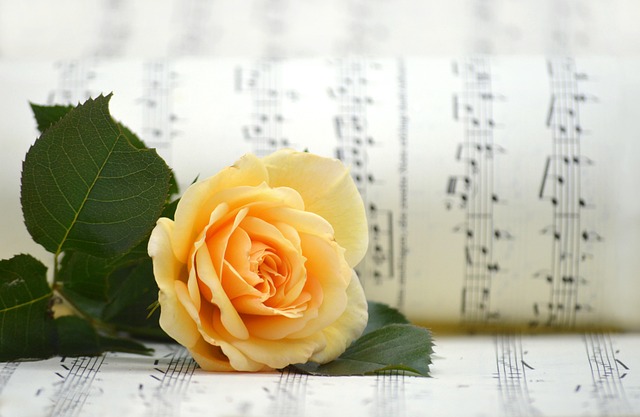
Image by Frauke Riether from Pixabay
The Middle Ages
500-1400
StockCake
Composers from the Middle Ages:
Leonin
Perotin
Guillaume de Machaut
Francesco Landini
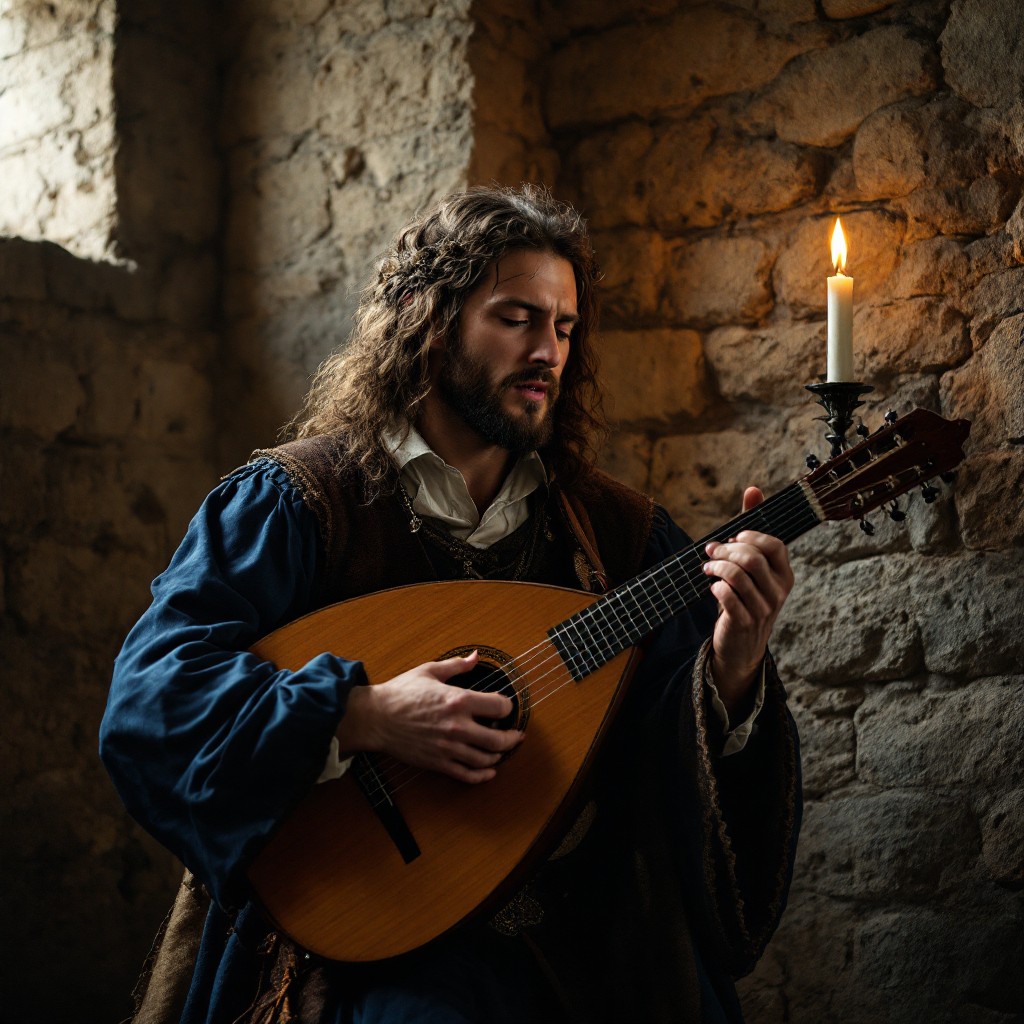
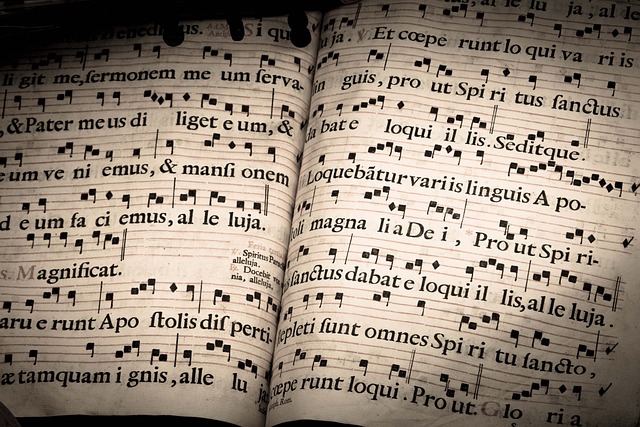
Forms for writing down music began to be developed. This was during the time of Pope Gregory I (590-604), which is why music of this time is called Gregorian Chant. Music was monophonic until around the 900s. Polyphonic music began to emerge around the 1200s.
Middle Age Music is simple and soothing. Perfect for listening to at the end of a busy day, or when you need something calming.
LunarSeaArt
Middle Age Music for Listening:
Singing Choir, by The Benedictine Monks of Santo Domingo de Silos
Canto Gregoriano Catolico, by The Benedictine Monks of Santo Domingo de Silos
An English Ladymass, by The Anonymous 4
On Yoolis Night, by The Anonymous 4
Victimae Paschali Laudes, Templar Chant
StockCake
The Renaissance Era
1400-1600
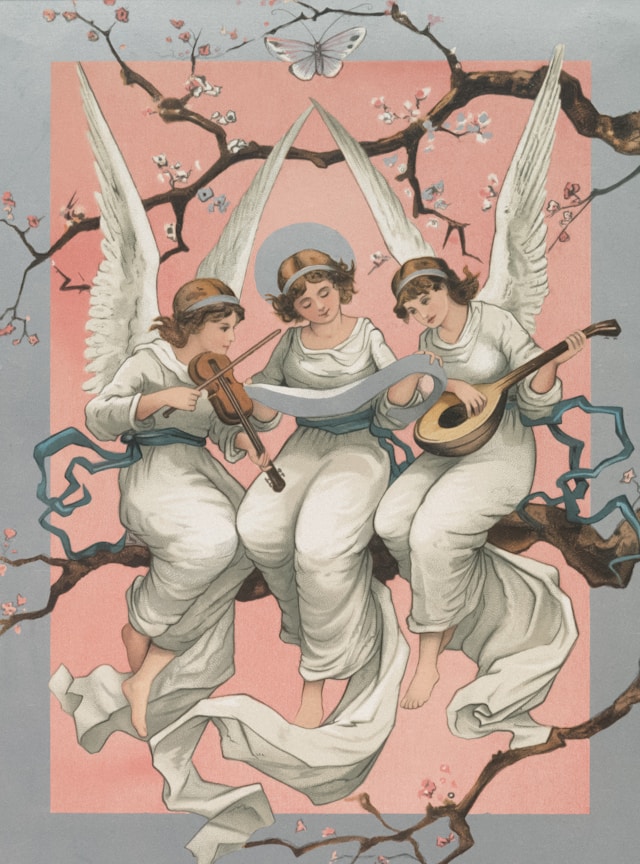
Photo by The New York Public Library on Unsplash
Composers from the Renaissance Era:
Josquin des Prez
Guillaume Dufay
Johannes Ockeghem
Giovanni Pierluigi da Palestrina
Claudio Monteverdi
William Byrd
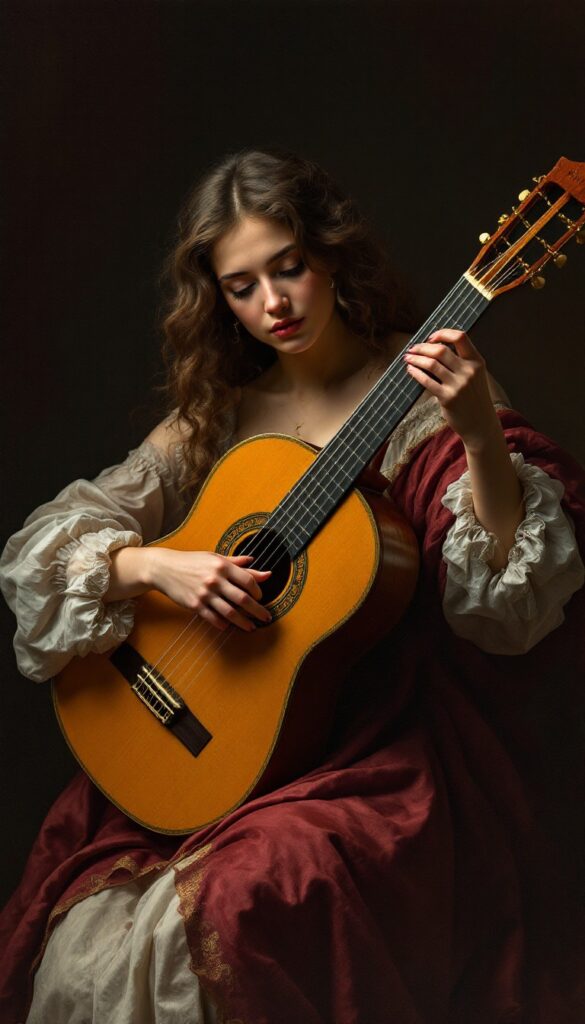
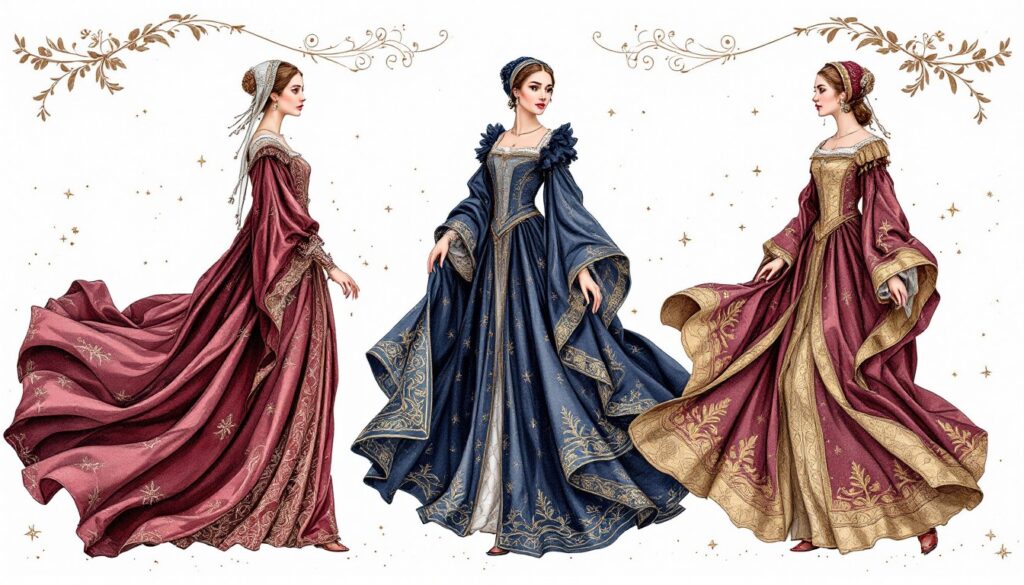
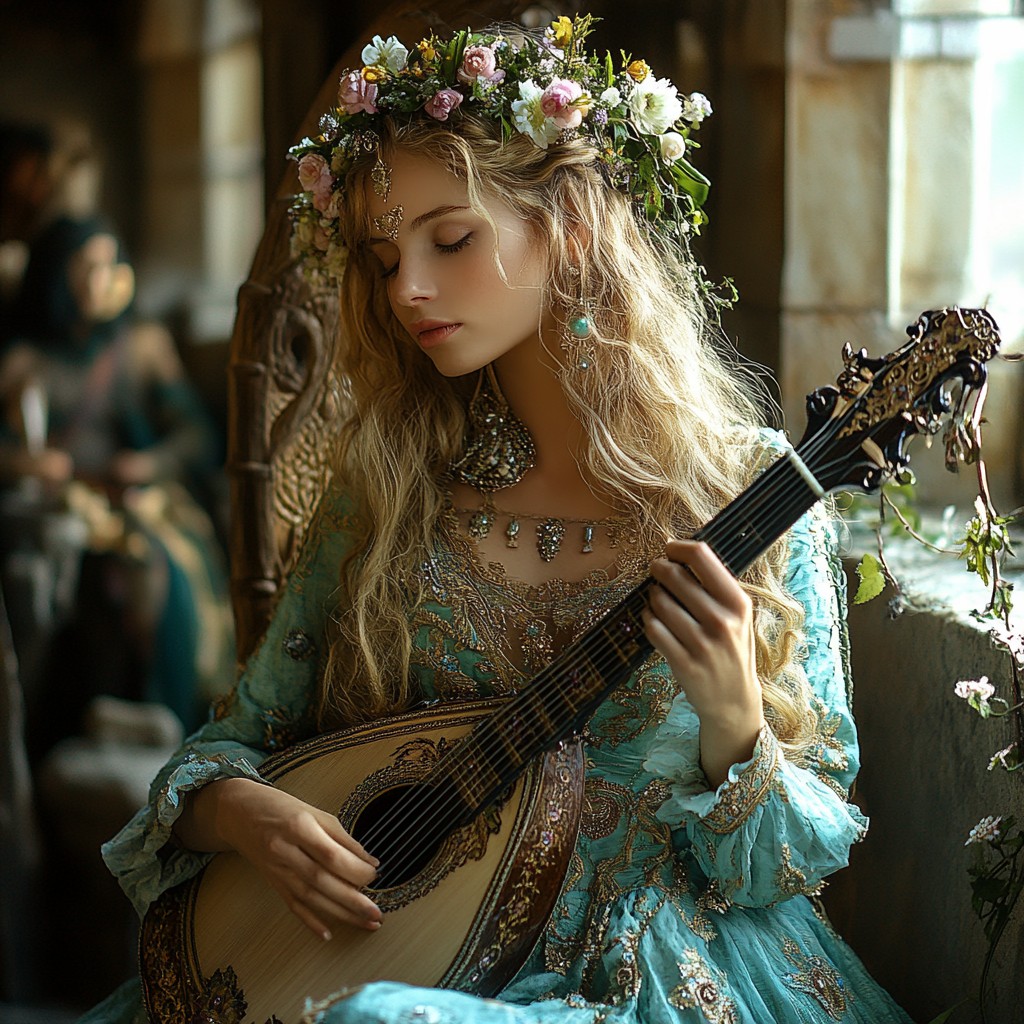
Composers began writing multiple lines of music that were played together, creating a layered effect. Madrigals and Chansons became popular during this time. Solo instrumental music became more prominent. Renaissance Music is lively and fun. Great for creating happiness and good cheer.
StockCake
Renaissance Music for Listening:
All Creatures Now Are Merry-Minded, by John Bennet, performed by The King’s Singers
Ave Verum, by William Byrd, performed by the King’s Singers
Renaissance Suite, by The Early Music Consort of London, David Munrow
Nuper Rosarum Flores, by G. Dufay
English Renaissance Lute Music
Renaissance Music for the Holidays
Danserye, Ronde XVI, by Tielman Susato
Danserye, Rondes 1 & VII, by Tielman Susato
StockCake
The Baroque Era
1600-1750
cao jun
Composers from the Baroque Era:
Johann Sebastian Bach
George Frideric Handel
Archangelo Corelli
Antonio Vivaldi
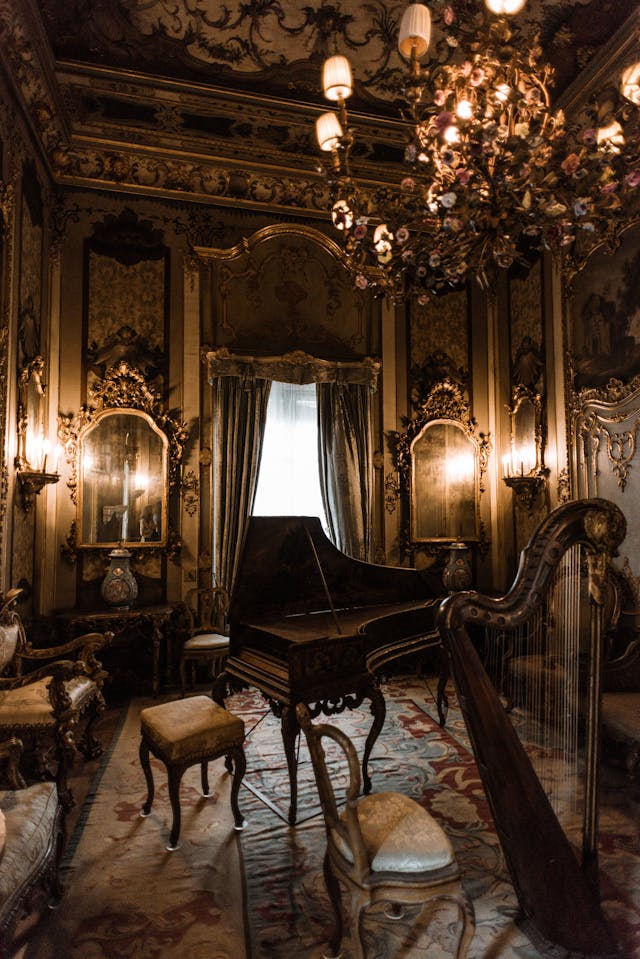
This era saw the rise of solo instrumental music. Sonatas, fugues, suites, and concertos became prominent music forms. Chamber music for intimate gatherings of the upper-classes also became popular and wide-spread.
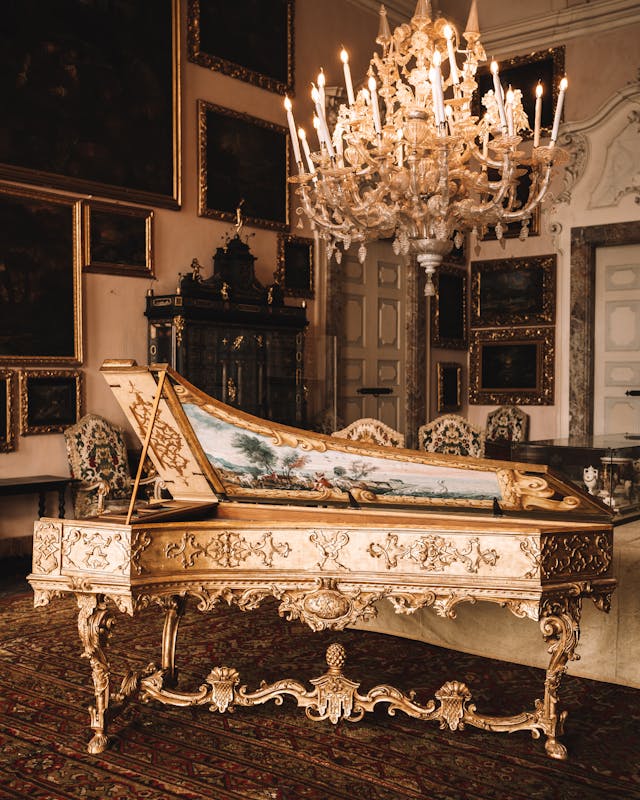
The harpsichord was often used to accompany instrumental soloists as well as vocal soloists. It is important to note that the harpsichord had only one dynamic level, which could not be changed. It could not be played loudly or softly, like its successor, the pianoforte.
Composers began writing operas, cantatas, and oratorios, which eventually became available to the middle-class and working-class people.
There is so much Baroque Music that is enjoyable to listen to!
Baroque Music for Listening:
Instrumental Music
Jean-Paul Wright
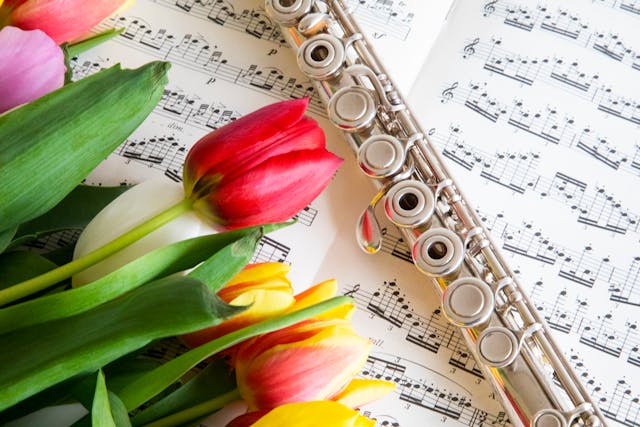
Flute Sonatas & Solos by J. S. Bach:
Sonata in e minor, 4 mvmts., BWV 1034
Sonata in E-flat Major, 3 mvmts., BWV 1031
Sonata in g minor, 3 mvmts., BWV 1020
Sonata in C major, 4 mvmts., BWV 1033
Sonata in E Major, 4 mvmts., BWV 1035
Sonata in b minor, 3 mvmts., BWV 1030
Sonata in A Major, 3 mvmts., BWV 1032
Partita for Solo Flute, 4 mvmts., BWV 1013
Tanya Trofymchuk
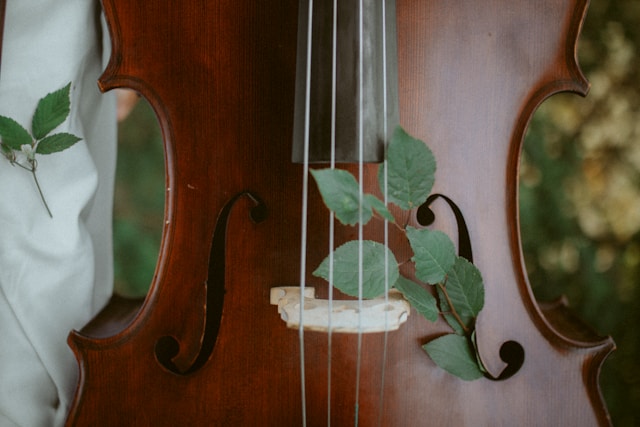
Unaccompanied Cello Suites by J. S. Bach:
Suite No. 1, 1st mvmt., Prelude, BWV 1007
Suite No. 1, Minuets Nos. 1 & 2, BWV 1007
Mikita Yo
Keyboard Music:
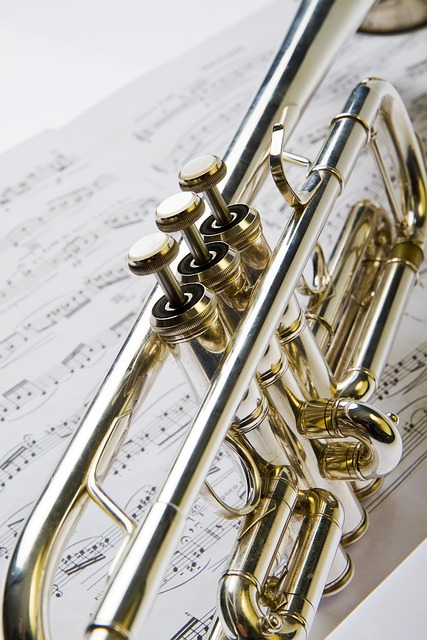
Image by xrayfoto from Pixabay
Trumpet Music:
Trumpet Tune in D Major, by Henry Purcell
Chamber Music
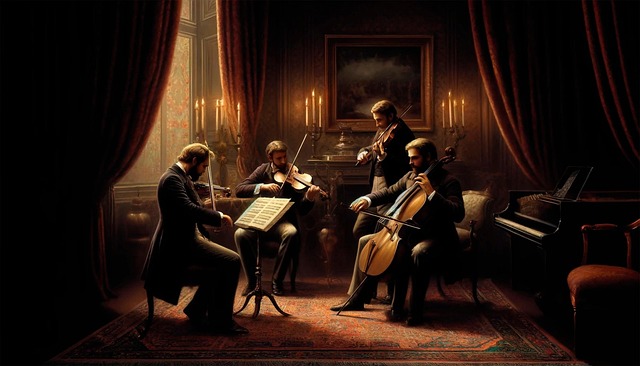
Image by Juergen Striewski from Pixabay
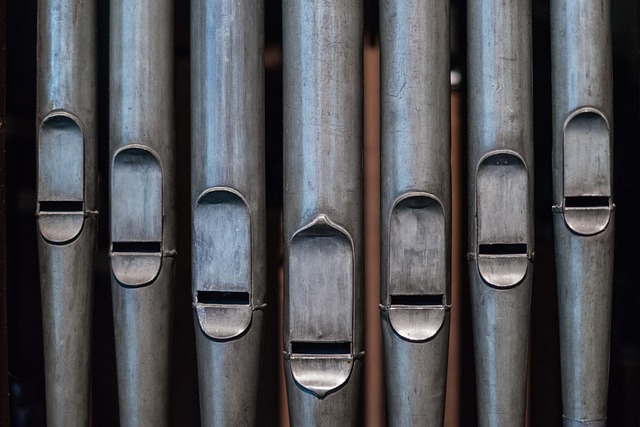
Organ Music
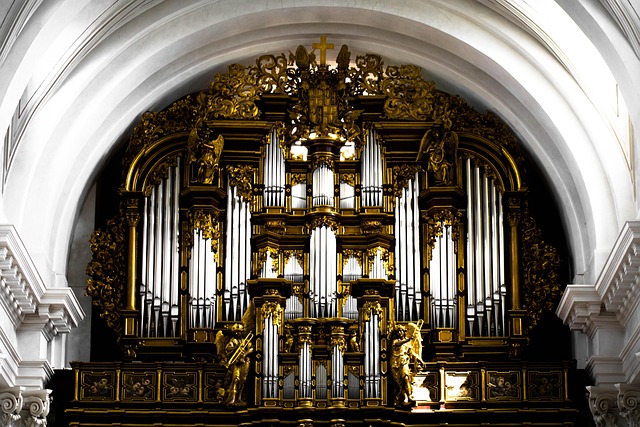
Toccata and Fugue in d minor, BWV 565, by J. S. Bach
Adagio in g minor for Organ and Strings, by Tomaso Albinoni
Vocal Music
StockCake
If You Love Me, compiled by Cecilia Bartoli
Concertos
Image by Frauke Riether from Pixabay
The Four Seasons, by A. Vivaldi
Violin Concerto in a minor, Opus 3 No. 6, 3 mvmts., RV 356, by A. Vivaldi
Violin Concerto in b minor, 1st mvmt., Allegro ma poco, RV 386, by A. Vivaldi
Violin Concerto in b minor, 3rd mvmt., Allegro, RV 386, by A. Vivaldi
Concerto for 2 Violins in d minor, 3 mvmts., BWV 1043, by J. S. Bach
Brandenburg Concerto No. 2 in F Major, 3 mvmts., BWV 1047, by J. S. Bach
Brandenburg Concerto No. 4 in G Major, 3 mvmts., BWV 1049, by J. S. Bach
Orchestral Music
cottonbro studio
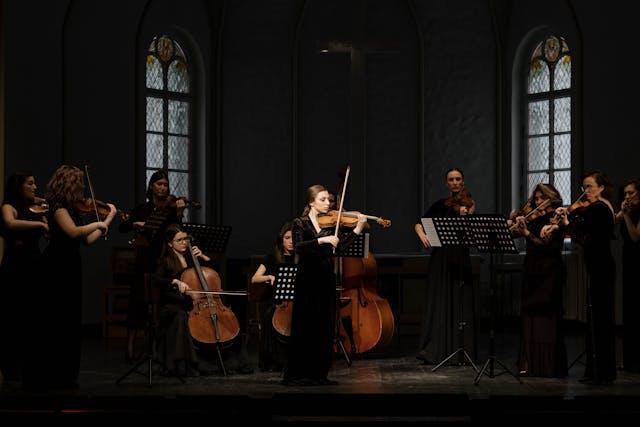
Christmas Concerto Grosso in g minor, Op. 6 No. 8, 5 mvmts., by A. Corelli
Music for the Royal Fireworks, 10 mvmts., HWV 351, by G. F. Handel
The Water Music Suite, 17 mvmts., HWV 348-350, by G. F. Handel
Coronation Anthem, Zadok the Priest, HWV 258 by G. F. Handel
The Arrival of the Queen of Sheba, HWV 67, by G. F. Handel
Air on a G String, from Orchestral Suite No. 3, BWV 1068, by J. S. Bach
Religious Music
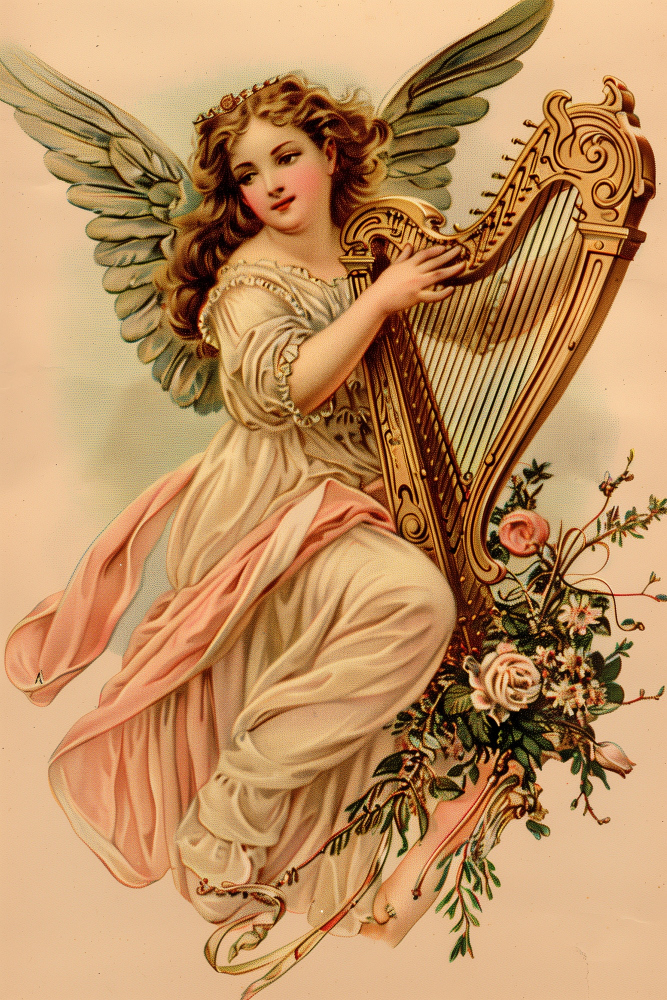
Jesu, Joy of Man’s Desiring, BWV 147, by J. S. Bach
Sheep May Safely Graze, BWV 208, by J. S. Bach
The Classical Era
1750-1820
Pixabay
Composers of the Classical Era that were influential:
Franz Joseph Haydn
Wolfgang Amadeus Mozart
Carl Philipp Emanuel Bach
Christoph Willibald Gluck
Composers of the Classical Era that heavily influenced the Romantic Era:
Franz Schubert
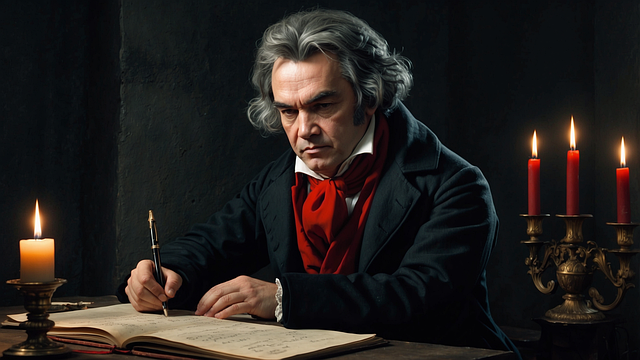
Ludwig van Beethoven
During the Classical Era, composers began to write music for larger ensembles. Chamber groups became larger, creating symphony orchestras of 30-40 performers. These orchestras included brass and percussion, instruments not generally used in Barque Era chamber music.
The invention of the pianoforte, which could be played loudly as well as softly, influenced composers to experiment with dynamics.
This development and use of dynamics made its way into orchestral music. Composers began to use ff, fortissimo, and pp, pianissimo in their symphonic compositions. For example, Franz Joseph Haydn wrote his well-known Symphony No. 94, The Surprise Symphony. In the second movement, the orchestra plays pianissimo, then surprises the audience with a fortissimo chord in the middle of the movement.
And this is where music became something to be reckoned with. Music was no longer just for church or dancing or listening to in an upper-class salon.
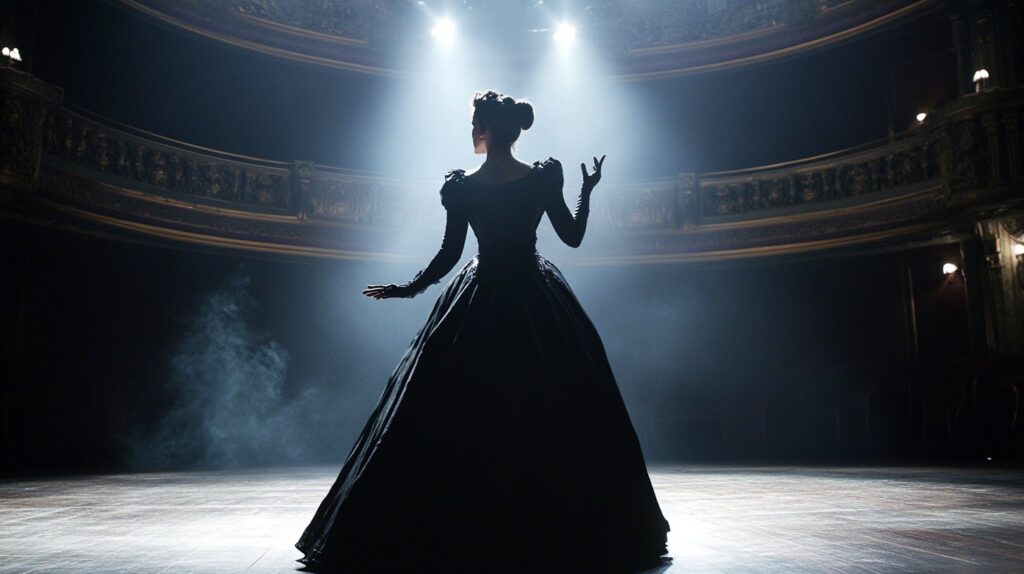
Concert Halls were built to accommodate larger audiences. Composers wrote symphonies with larger orchestras in mind, since they had a larger hall to fill with sound. People began going to these concert halls specifically to listen to a symphony orchestra. Whereas music used to be a means for gathering people for social events, that changed during the Classical Era. Now the musical performances were the focal point.
Classical Music was meant to be focused on and listened to, not talked over the top of by a disinterested society bent on entertainment. And this is one of the reasons why Classical Music is not a great choice for everyday listening. So, keep this in mind as you make choices for relaxing or cheery or fun music.
StockCake
Classical Music that is a bit lighter and easier to listen to:
Concertos
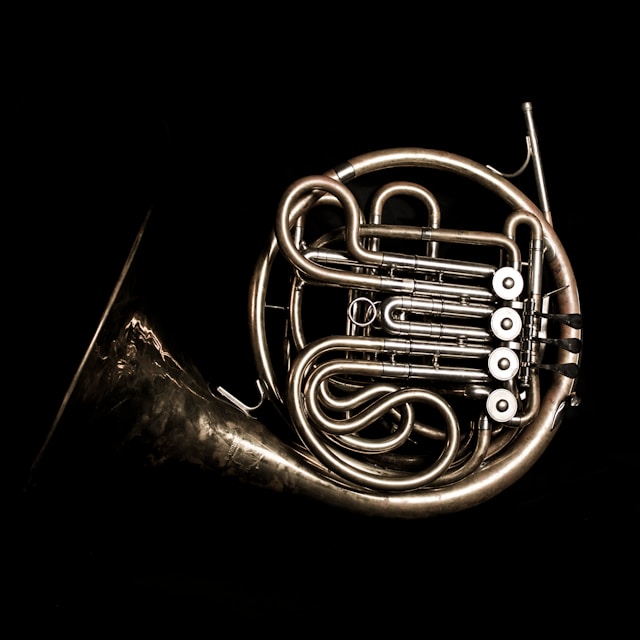
Photo by Asher Legg on Unsplash
Concerto for Flute & Harp, 2nd mvmt., Andantino, K 299, by W. A. Mozart
Concerto No. 4 for French Horn, 3rd mvmt., Rondo, K 495, by W. A. Mozart
Concerto for 2 Pianos, No. 10, E-flat Major, 3rd mvmt., Rondo, K 365, by W. A. Mozart
Orchestral Music
StockCake
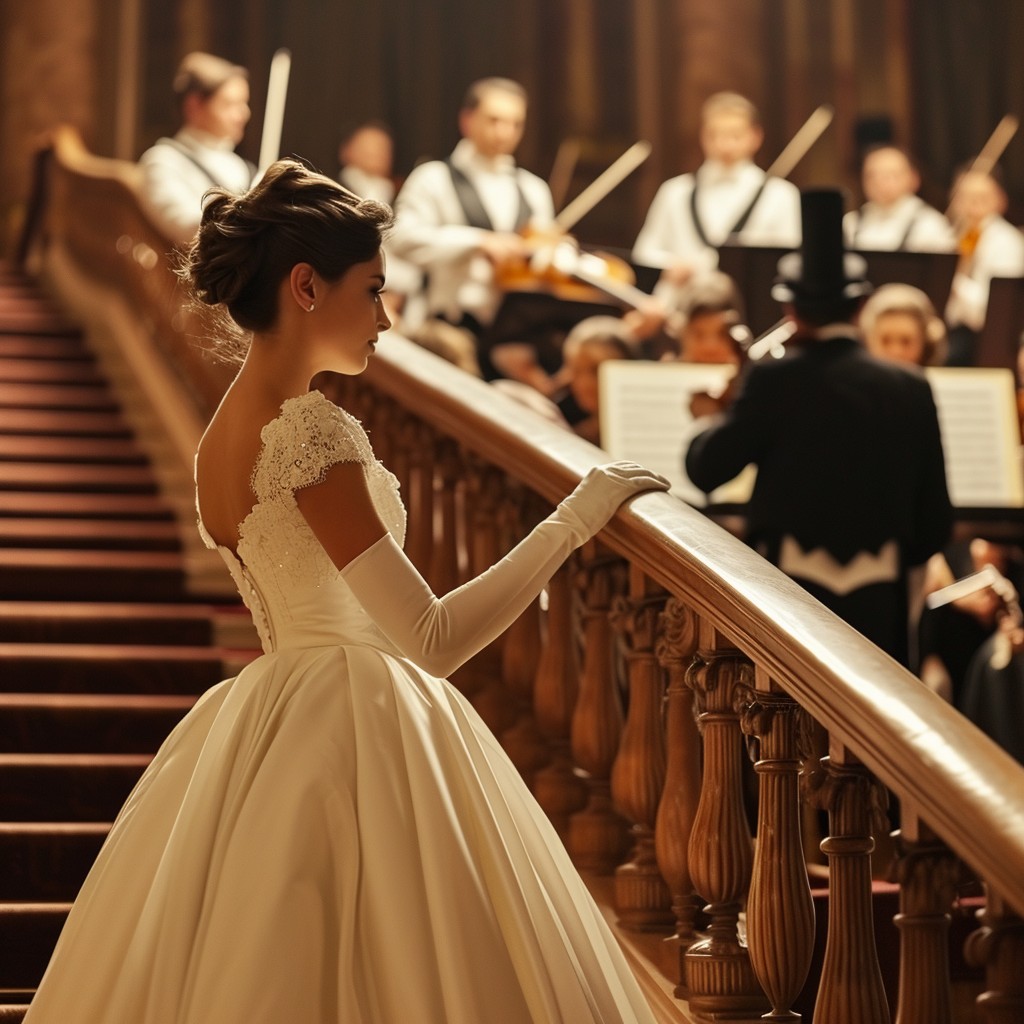
Eine Kleine Nachtmusik, Serenade No. 13, G Major, 4 mvmts., K 525, by W. A. Mozart
Classical Music to listen to when you have the time to focus on it:
Instrumental Music
StockCake
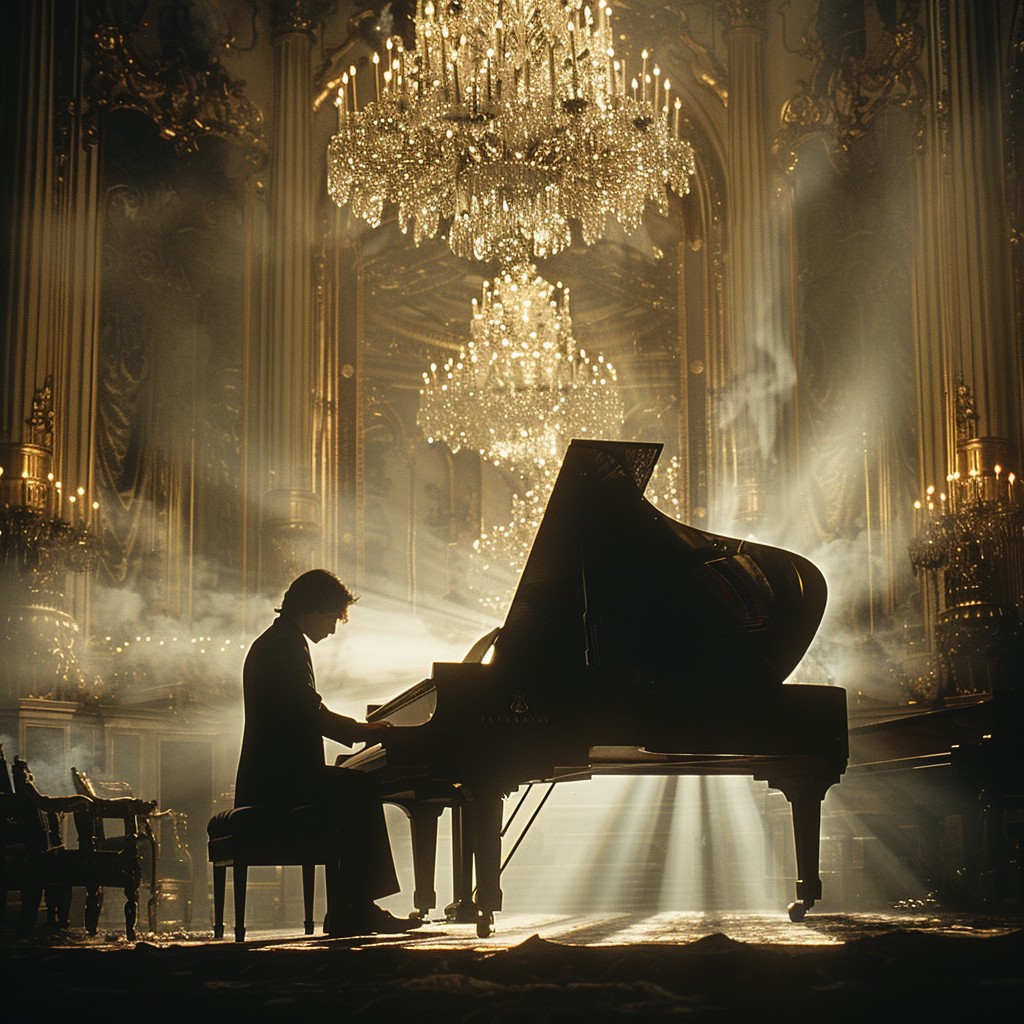
Moonlight Sonata, 3rd mvmt., Presto agitato, by L. V. Beethoven
Rage Over A Lost Penny, Op. 129, by L.V. Beethoven
Sonata No. 11 in A Major, 3rd mvmt., Rondo alla turca (Turkish March), K 331, by W. A. Mozart
Concertos
StockCake
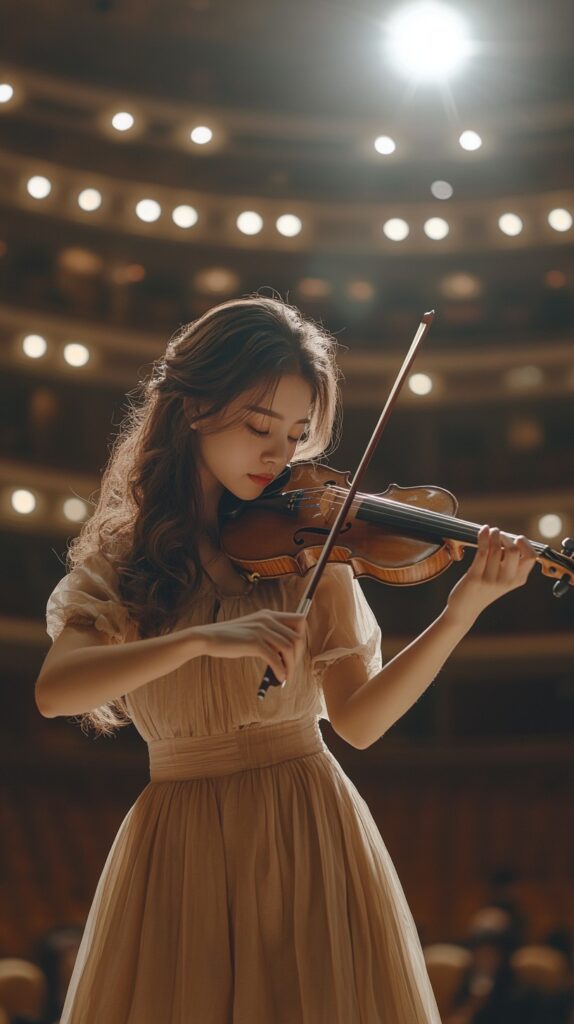
Violin Concerto in D Major, 3rd mvmt., by L. V. Beethoven
Orchestral Music
StockCake
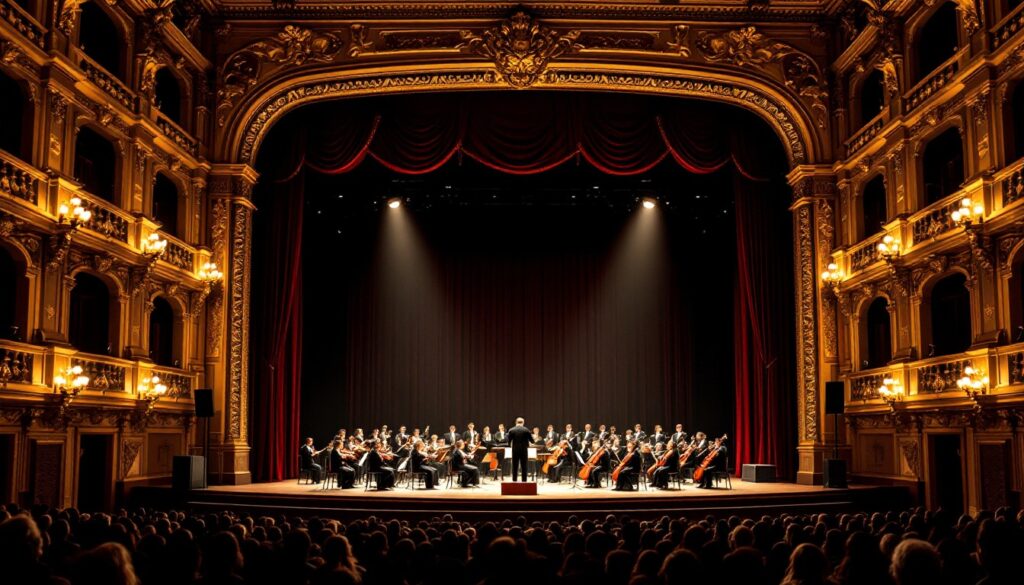
Symphony No. 5, c minor, op. 67, 1st mvmt., Allegro con brio, by L. V. Beethoven
Symphony No. 5, c minor. op. 67, 3rd mvmt., Allegro, by L. V. Beethoven
Symphony No. 5, c minor, op. 67, 4th mvmt., Allegro, by L. V. Beethoven
Opera Music
StockCake
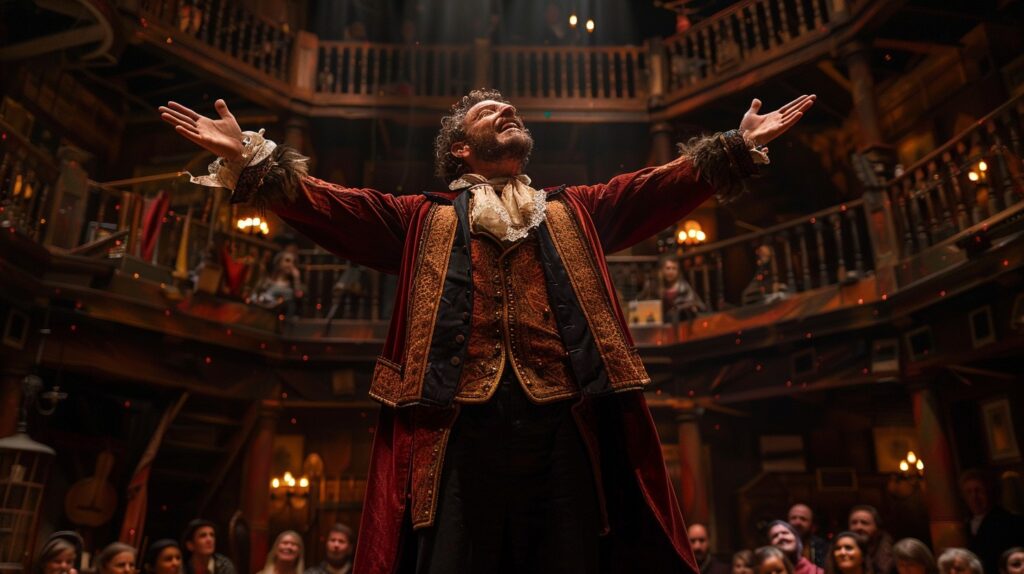
The Marriage of Figaro, Overture, K 492, by W. A. Mozart
StockCake
The Romantic Era
1820-1900
Some of the key composers of the Romantic Era were:
Felix Mendelssohn
Hector Berlioz
Frederic Chopin
Franz Liszt
Pyotr Ilyich Tchaikovsky
Giacomo Puccini
Antonin Dvorak
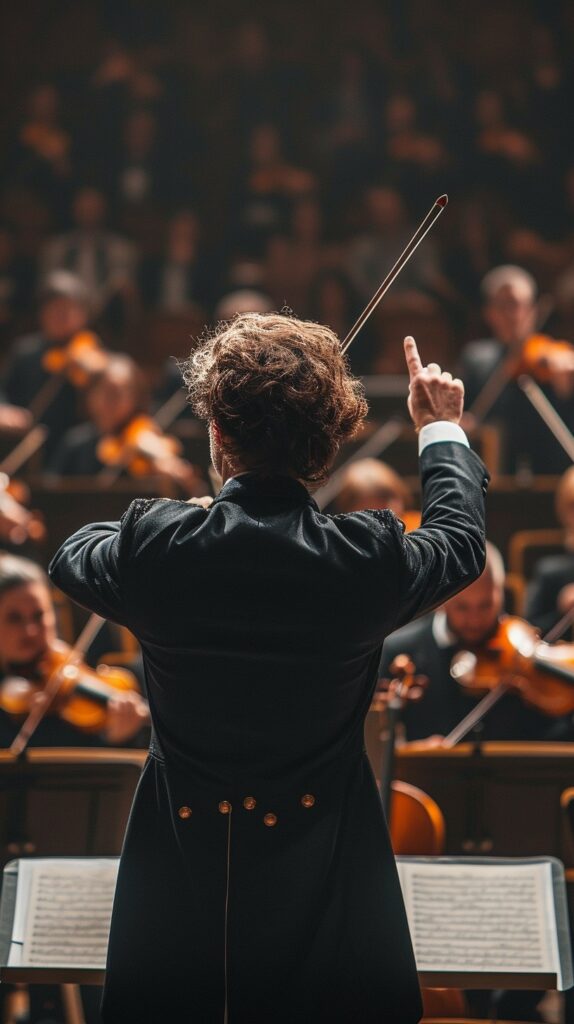
The symphonic orchestra continued to develop, with composers using ffff, fortissississimo, and pppp, pianissississimo. The size of the orchestra would have from 40-100 musicians, depending on who’s works they were performing.
Tchaikovsky actually used real cannons (but not real cannon balls) in his 1812 Overture. Today, when the 1812 Overture is performed, cannons are often still used. And the musicians use ear plugs during the cannon part!
Opera also went through a dramatic change. Heavily influenced by Richard Wagner, operas grew into grand spectacles. The orchestra would have 80-100 musicians, sometimes more. They were often joined by a chorus of 60-100 people. Sets and costumes became elaborate, and the opera would often include ballet.
And the operas were long, 4 hours or more. Wagner used a technique called delayed harmonic resolution. He wrote long scenes that didn’t resolve musically until the end of the scene or act. His opera Tristan und Isolde famously doesn’t resolve until the very end of the opera. And it’s over 4 hours long! So, if you left early, you would miss the resolution and you would feel unsettled.
So, much of the opera music of the Romantic Era is not easy-listening music. Like Classical Music, Romantic Music often demands the listener’s full attention.
Here are some suggestions for listening to Romantic Music that are on the lighter side:
Instrumental Music
StockCake
Scherzino, by Joachim Andersen
Hungarian Pastorale Fantasy, Op. 26, by Franz Doppler
Zapateado, Op. 23, No. 2, by Pablo de Sarasate
Orchestral Music
Les Preludes, Symphonic Poem No. 3, S 97, by Franz Liszt
Symphony No. 9, From the New World, e minor, by A. Dvorak
The Moldau, from Ma Vlast, No. 2 Vltava, by Bedrich Smetana
Opera Music
Image by Ewa Kurowska from Pixabay
Nessun Dorma, from Turandot, by G. Puccini
O Mio Babbino Caro, from Gianni Schicchi, by G. Puccini
The Flower Duet, from Lakme, by Leo Delibes
And here is some Romantic Music to listen to when you are able to listen more closely:
Concertos
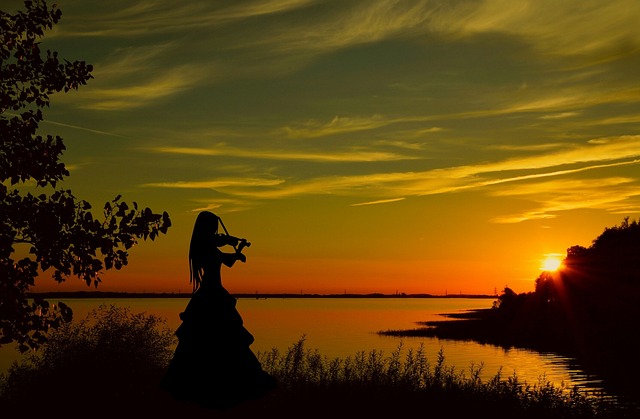
Image by Mohamed Hassan from Pixabay
Concerto in e minor, Op. 64, 1st mvmt., for Violin, by F. Mendelssohn
Fantasy, Op. 25, from Carmen, by Georges Bizet, composition written by Pablo de Sarasate
Orchestral Music
StockCake
Symphony No. 6, Op. 74, The Pathetique, b minor, 4 mvmts., by P. I. Tchaikovsky
Night on Bald Mountain, by Modest Mussorgsky
William Tell, Overture, by Gioachino Rossini
Carmen Suite, by Georges Bizet
StockCake
The French Impressionistic Era
1890-1925
French Impressionistic composers from this era:
Gabriel Faure
Claude Debussy
Maurice Ravel
Jacques Ibert
Towards the end of the Romantic Era, French composers began to experiment with tone coloring. These composers were influenced by the artists of the day, such as Claude Monet, Pierre-August Renoir, Edouard Manet, and Edgar Degas. Artists were experimenting with color, light, and texture. Composers also began to experiment with sound as a color and a texture. And the idea of music for the sake of music began to take shape.
French Impressionistic Music is beautiful and enjoyable to listen to. And much of it is soothing and relaxing.
French Impressionistic Music for listening:
Instrumental
StockCake
Gymnopedie Nos. 1 & 2, by Erik Satie
Arabesque No. 1, by C. Debussy
Arabesque No. 2, by C. Debussy
Suite Bergamasque, by C. Debussy
La Fille aux Cheveux de Lin (The Girl with the Flaxen Hair), by C. Debussy
Pavane pour une Infante Défunte (Pavane for a Dead Princess), by M. Ravel
French Impressionistic Music to listen to when you have the ability to focus more closely to it:
Ballet Music
StockCake
Daphnis et Chloe, Suite No. 1, by M. Ravel
Daphnis et Chloe, Suite No. 2, by M. Ravel
StockCake
The Twentieth and Twenty-First Centuries
Image by boris rager from Pixabay
Composers from the Twentieth Century:
Aaron Copland
Bela Bartok
Sergei Prokofiev
Igor Stravinsky
Twentieth-Century composers experimented with unusual techniques, such as meter displacement, polytonality, and dissonance. And they often incorporated elements of folk and jazz music into their compositions.
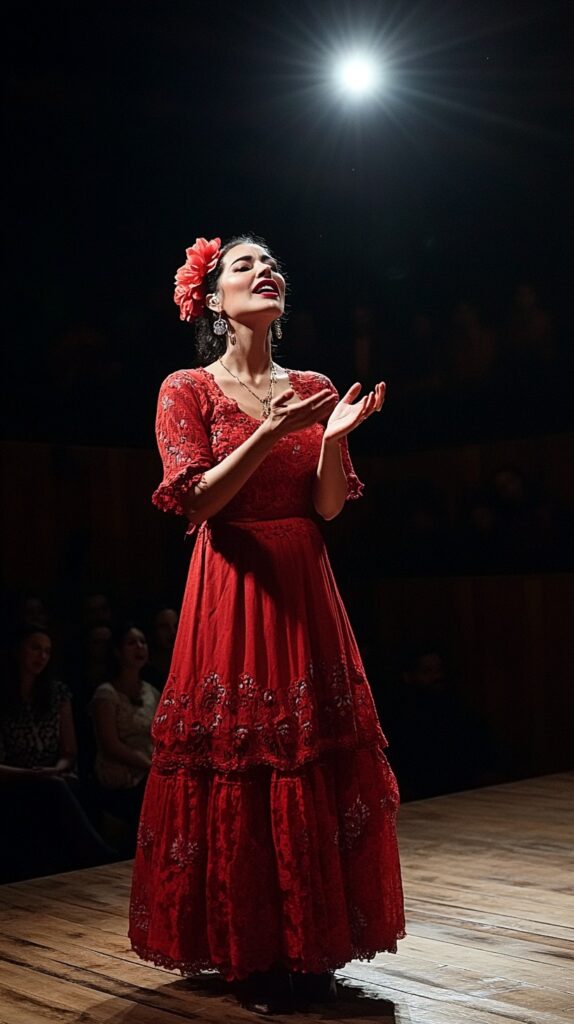
While some of the Twentieth-Century Music is interesting and unusual and demands attention, much of it is relaxing and beautiful and fun to listen to. You will have to determine for yourself if it goes on the easy listening list, or the list of music to be focus on.
Twentieth-Century Music for listening:
Instrumental Music
StockCake
Serenade No. 10, 2nd mvmt., Andante cantabile, by Vincent Persichetti
Sonata for Flute and Harp, 3 mvmts., by Jean-Michel Damase
Suite for Flute and Jazz Piano, 8 Pieces, by Claude Bolling, with flutist Jean-Pierre Rampal
Ensemble Pieces
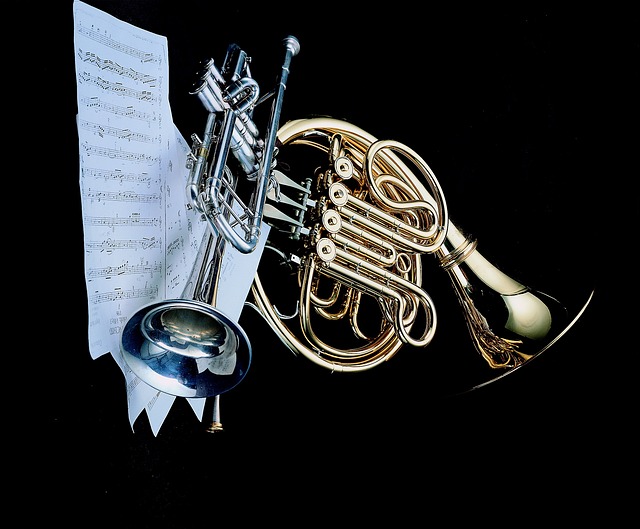
Fanfare for the Common Man, for Brass and Percussion, by A. Copland
Trois Pieces Breves, for Woodwind Quintet, 1st mvmt., by Jacques Ibert
Orchestral Music
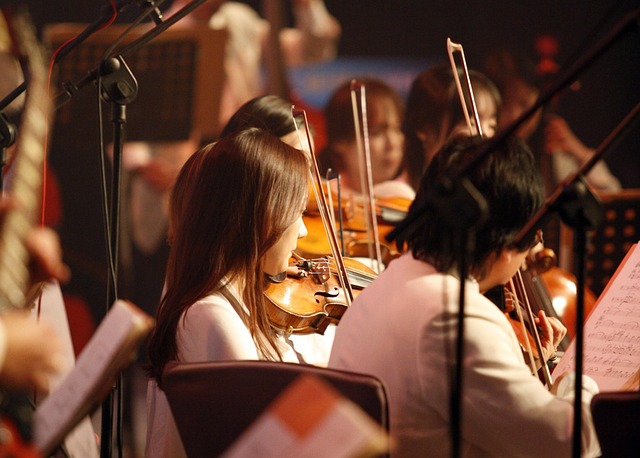
Image by HeungSoon from Pixabay
The Sorcerer’s Apprentice, by Paul Dukas
Adagio for Strings, by Samuel Barber
The Planets, Op. 32, by Gustav Holst
Opera Music
Image by Ken Haines from Pixabay
The Love for Three Oranges Suite, by S. Prokofiev
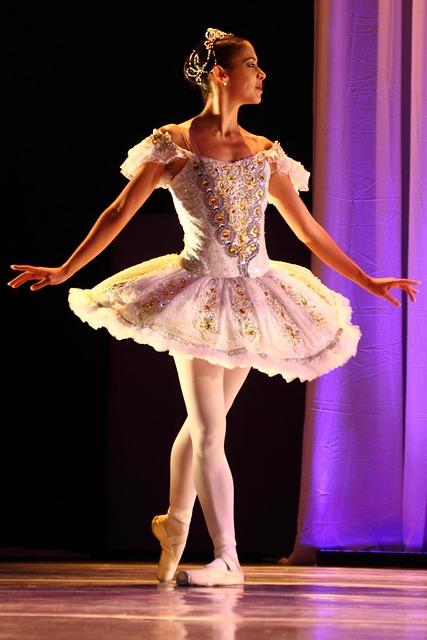
Ballet Music
KarenBond
Petrushka Suite, by I. Stravinsky
Billy the Kid Suite, by A. Copeland
StockCake
Twentieth and Twenty-First Century Music from the movies, along with jazz fusion, contemporary vocal, folk, and religious and inspirational music are some fun and restful and enjoyable styles to listen to.
Movie Music
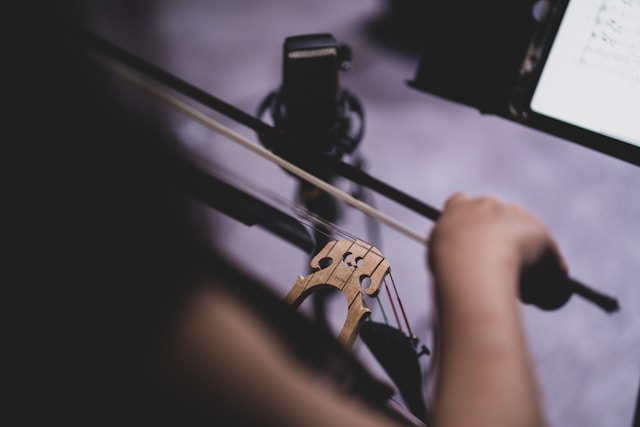
Photo by Xingchen Yan on Unsplash
Composers who excelled at writing music for movies:
John Williams
Hans Zimmer
Patrick Doyle
The twentieth century saw the invention and development of motion pictures with sound. This created a need for specific music to go along with these movies. It has now gone into the twenty-first century, with composers coming up with new themes for new movies. And constantly delighting and surprising us. I love movie music! It is so much fun to listen to!
Movie music of the Twentieth and Twenty-First Centuries for listening:
John Williams
Raiders March, from Indiana Jones and the Raiders of the Lost Ark
Harry Potter and the Sorcerer’s Stone Suite
Sabrina, Best Parts of the Suite
Hans Zimmer
Pirates of the Caribbean Suite
Kung Fu Panda Epic Orchestral Suite
Patrick Doyle
Much Ado About Nothing Overture (1993)
Sense and Sensibility Suite (1995)
More Movie Music Composers
The Lord of The Rings, Suite with flutist Sir James Galway, by Howard Shore
The Tourist Suite, by James Newton Howard
Glider, The Thomas Crown Affair (1999), by Bill Conti
A Happy Ending, from While You Were Sleeping, by Randy Edelman
Ever After Suite, by George Fenton
Silverado Theme, by Bruce Broughton
The Big Country Theme, by Jerome Moross
The Mandalorian Theme, by Ludwig Goransson
Captain America, The Winter Soldier, End Credits, by Henry Jackman
Gonna Fly Now, Theme from Rocky, by Bill Conti
Letting Go, Super 8, End Credits, by Michael Giacchino
Kingdom Dance from Tangled, by Alan Menken
How to Train Your Dragon Suite, by John Powell
Paperman Theme, by Christophe Beck
Linus and Lucy, from A Charlie Brown Christmas, by Vince Guaraldi
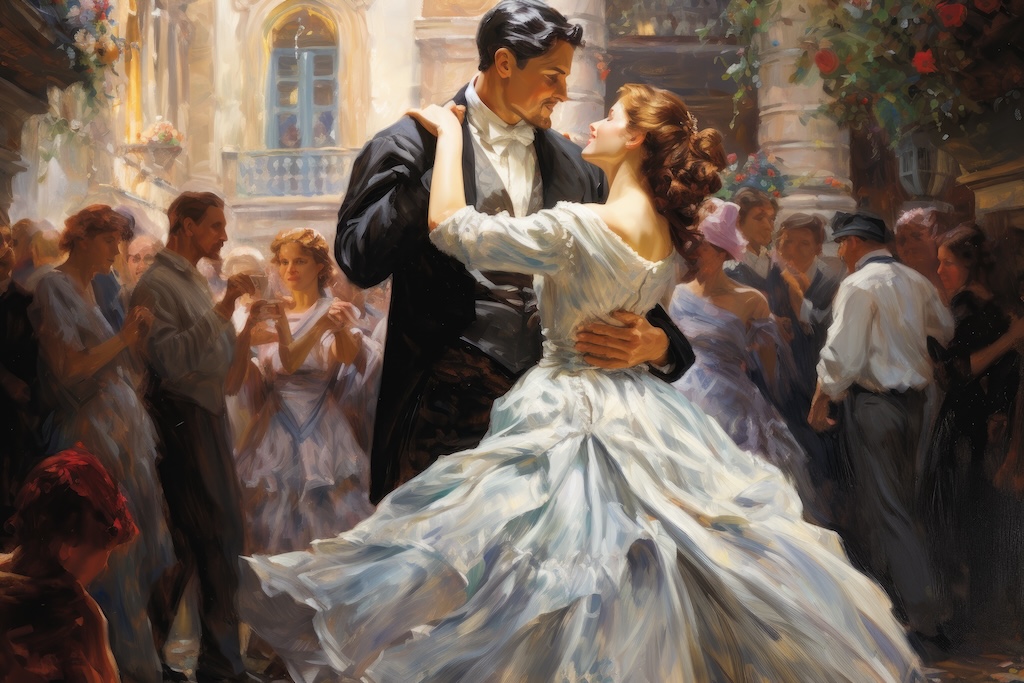
Music from Jane Austen Movie Adaptations
Ai Generated Stock photos by Vecteezy
Pride and Prejudice Overture (1995 BBC), by Carl Davis
Pride and Prejudice Soundtrack Cut (2005), by Dario Marianelli
Meryton Town Hall Dance, from Pride and Prejudice, by D. Marianelli
Emma Suite (1996), by Rachel Portman
Knightley’s Walk, From Emma (2009 BBC), by Samuel Sim
Jazz Fusion Music
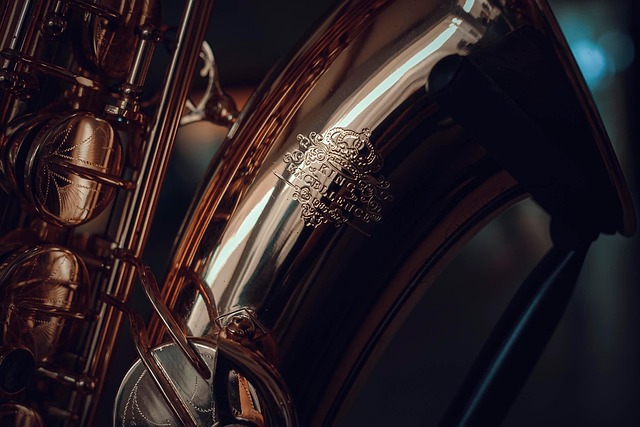
Image by Edgar Gonzalez from Pixabay
Jazz music can be relaxing to listen to. One of the reasons for this is that jazz music is in 4/4, with accents on beats 2 and 4. So it gives a feeling of resolution and arrival. In rock music, also in 4/4, the accents are on beats 1 and 3. This gives a feeling of always starting out and never arriving. This is why rock musicians are often portrayed as wound up and high-strung. Rock music tends to make people feel this way. Jazz musicians are often portrayed as laid-back and relaxed. Jazz music can create this feeling. Some jazz musicians will play notes below the pitch, to give a feeling that they are so relaxed, they can’t be bothered to get the note all the way up to the right pitch.
Jazz Fusion Music for listening:
Chuck Mangione
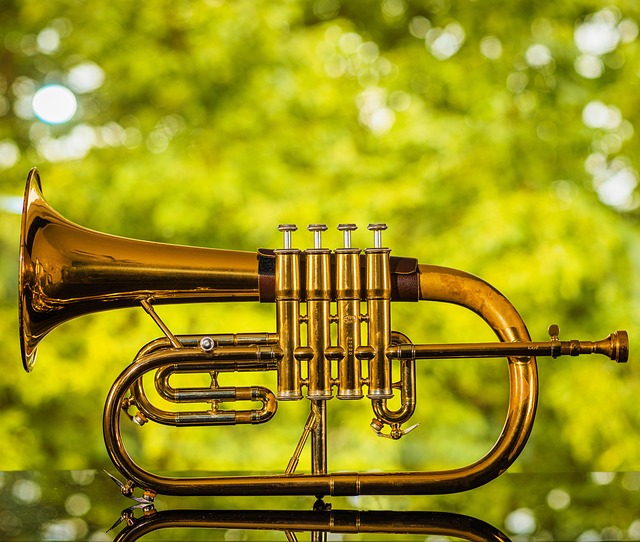
Image by Igor Lukin from Pixabay
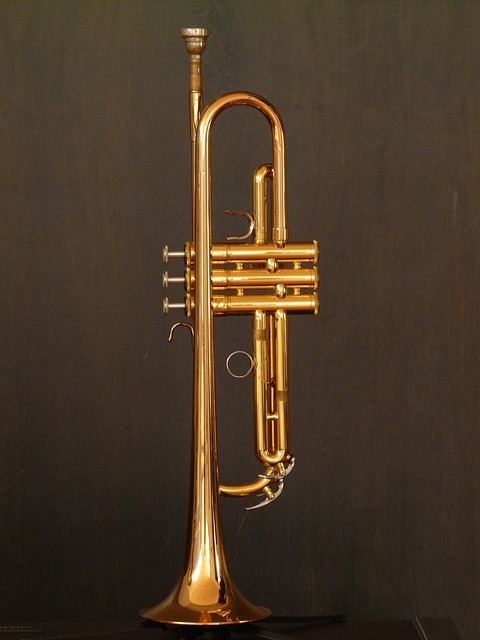
Maynard Ferguson
The Manhattan Transfer
A Nightingale Sang in Berkeley Square
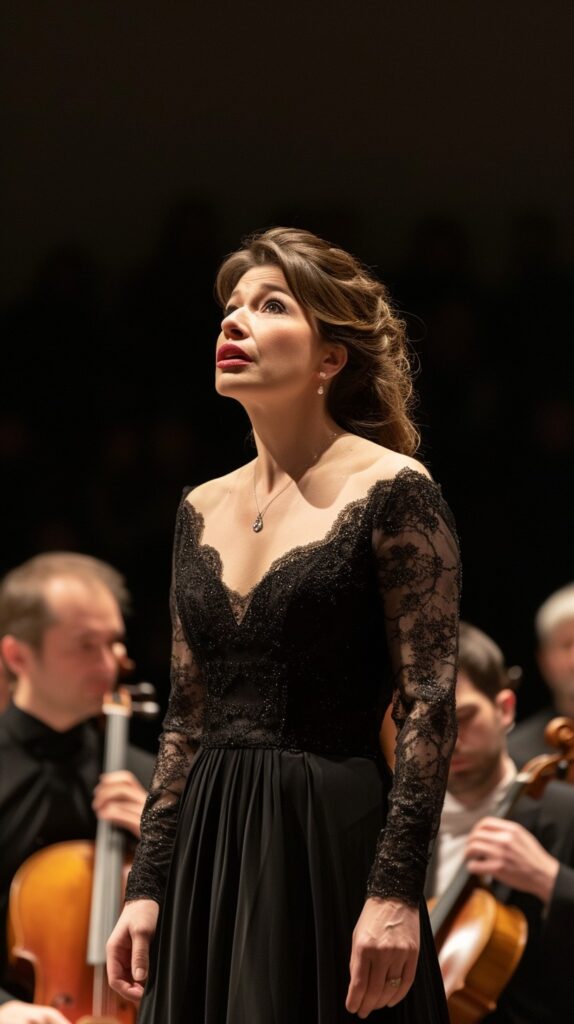
Contemporary Vocal
StockCake
Time to Say Goodbye, by Francesco Sartori
The Last Farewell, by Roger Whittaker
New World in the Morning, by Roger Whittaker
Try To Remember, from The Fantasticks, by Harvey Schmidt, performed by Josh Groban
Folk Music
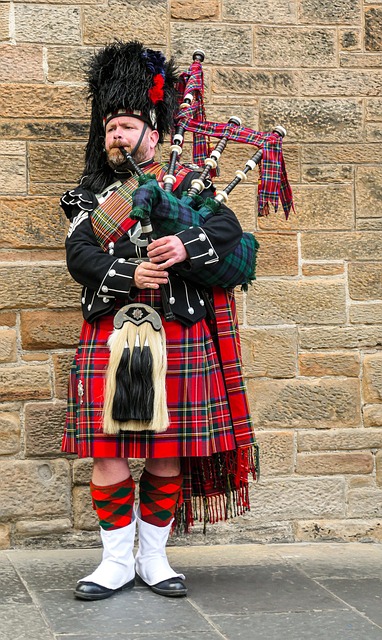
Image by Colin Fletcher from Pixabay
Scotland the Brave, Dark Isle Bagpiper
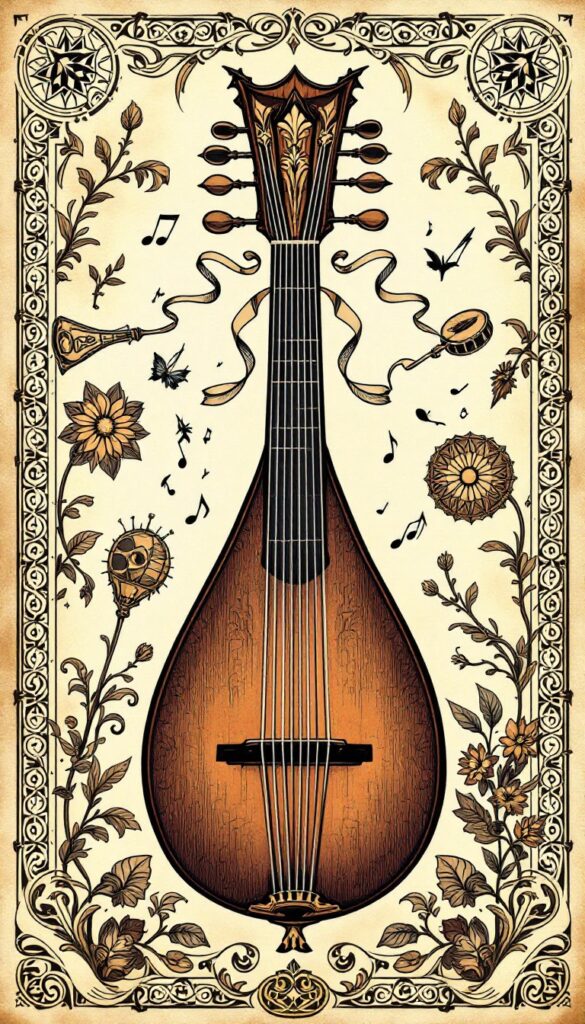
Malaguenia, by Ernest Lecuona, arr. by Lucas Imbiriba
Clamavi De Profundis
StockCake
Fresh Aire
StockCake
The Chieftains
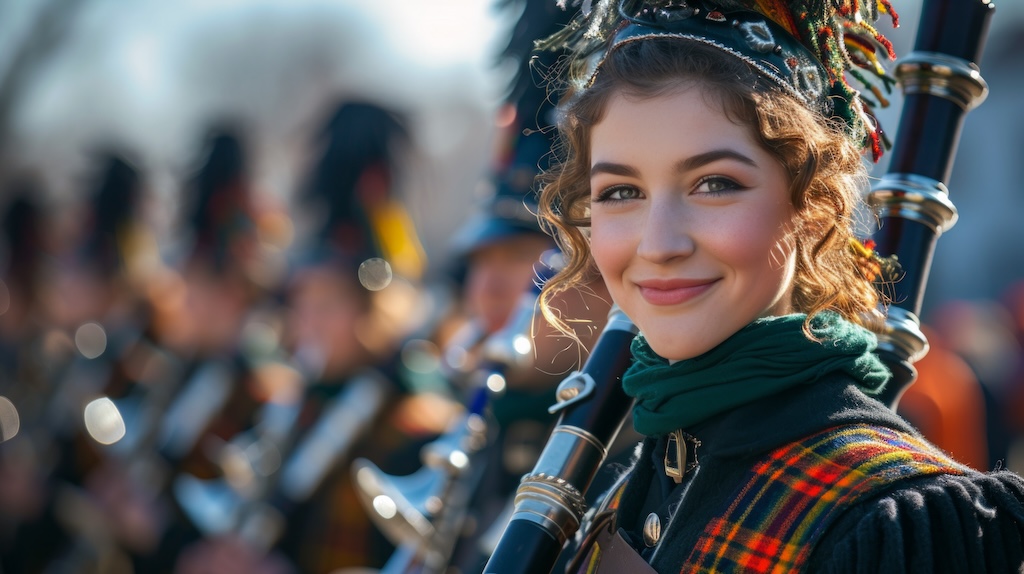
The Celtic Harp, by The Chieftains
Seikilo Ancient World Music
StockCake
Telos, by Aphrodite Patoulidou and Theodore Koumartzis
Journey, by Aphrodite Patoulidou and Theodore Koumartzis
Religious & Inspirational Music
Jeff Sheldon
Instrumental
All Creatures of Our God and King, by Rafael Griffin
Vocal Ensemble
Photo by Thirdman
Sing Me to Heaven, by Daniel Gawthrop
I Will Walk with Jesus, by Stephen P. Schank
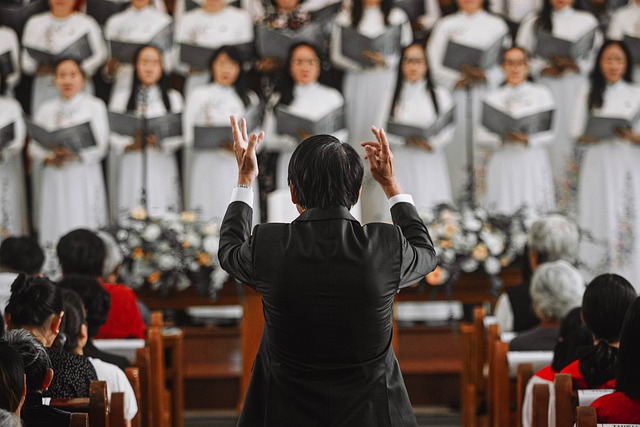
Choir
Come, Thou Fount of Every Blessing, American folk hymn, arr. by Mack Wilberg
Praise to the Lord, the Almighty, arr. by Mack Wilberg
Jesu, the very Thought is Sweet, arr. by Mack Wilberg
Lead, Kindly Light, by John B. Dykes
My Shepherd Will Supply My Need, by Isaac Watts
I Believe in Christ, by John Longhurst
Roger and Melanie Hoffman
Rob Gardner
My Kindness Shall Not Depart from Thee
Gloria (My Savior Lives), from The Lamb of God
There is so much beautiful music available! And there are so many varieties! I hope this helps you create your own music listening list that will be just right for you! Whether that’s uplifting, relaxing, fun, soothing, inspiring, energizing, or calming. Or maybe a little bit of all of this!
Crafting wishes,
Marilee
StockCake
What do you enjoy listening to? Share with us in the comments!
And follow me for more ways to add beauty to your life!
Take a look at my YouTube Channel:
Marilee Boekweg A Flutist’s Garden
And take a look at these posts:
A Musician’s Treasure Box: free printable charts to help musicians with their practicing
Words to Live By: choosing words to help us through life’s hardships
After subscribing, click here to receive free 2026 monthly calendars:
2026 Monthly Calendars-A Crafting Home Giveaway
Discover more from Crafting Home
Subscribe to get the latest posts sent to your email.