Have you ever wondered why Medieval music is called Gregorian Chant? And maybe you know about Bach and Beethoven and Mozart, but who were Paganini and Liszt and Vivaldi? And who really wrote Night on Bald Mountain?
Here are some fun, interesting, and informative facts that will help your understanding of music and musicians through the ages.

ABOUT MUSIC ERAS & THE COMPOSERS OF THE DAY
The Middle Ages
500-1400
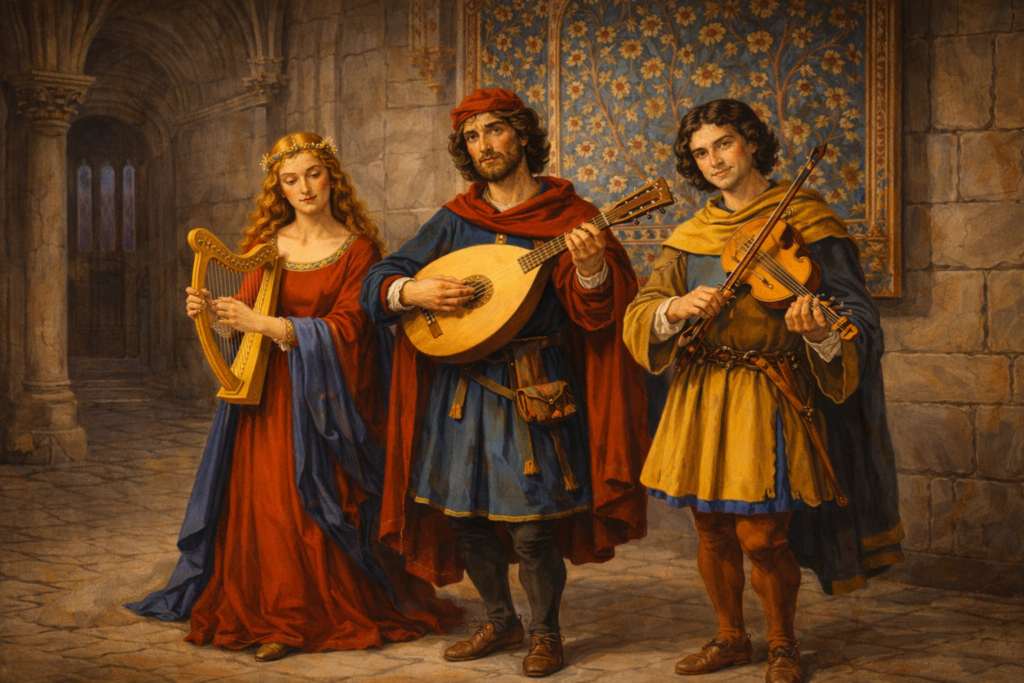
Simple and soothing, music from the Middle Ages was monophonic (music for one voice or instrument) until around the 1200s. Then, polyphony (music written for two or more voices or instruments) began to emerge.
FUN & INTERESTING FACTS
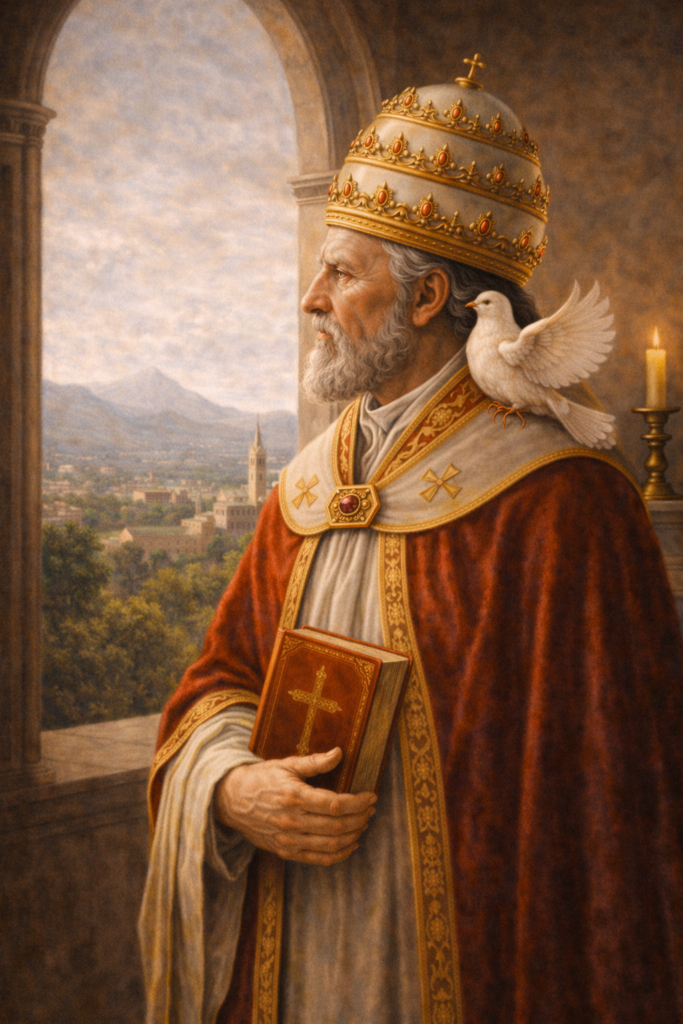
Pope Gregory I, The Great (about 540-604) was born in Italy. He is traditionally credited with encouraging the development and organization of liturgical music. Which became known as Gregorian Chant. There is no proof that he actually wrote any of the music for the Church, but he almost certainly was involved in singing it.
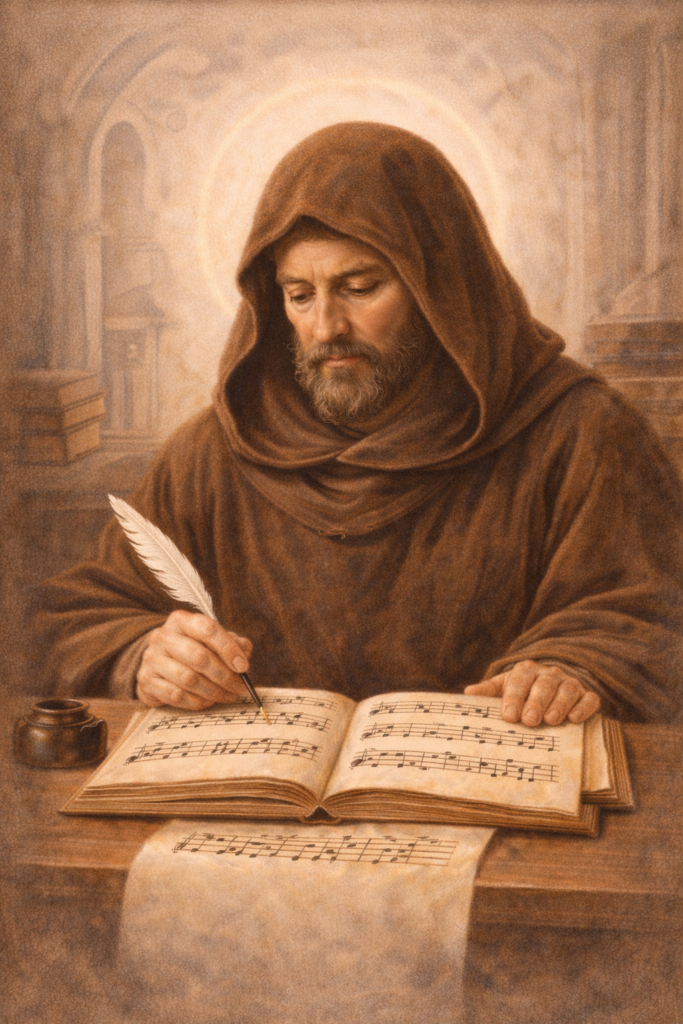
Guido of Arezzo (about 991-1033) was probably born in Northern Italy, near Arezzo. He was a Benedictine monk. Guido developed an effective system of staff notation and sight-singing. He used lines to show where a note’s pitch should be. Up until this time, music was mostly memorized and passed down, though there was an early form of notation.
Guido developed a more sophisticated form of written music, which evolved into what we have today. This includes his development of the solfege (ut-re-mi-fa-sol-la) system, which is still used in many of today’s music schools. He also developed another similar system, called the hexachord solmization system.
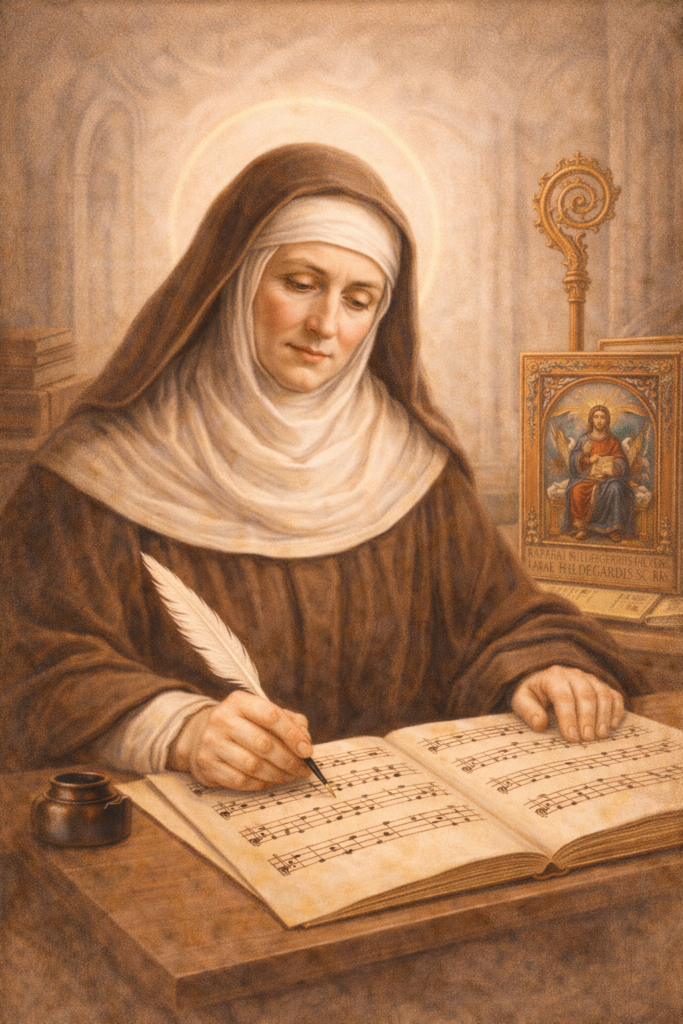
Hildegard of Bingen (about 1098-1179) was a German-born Benedictine abbess. She was known for her sacred monophonic compositions. And her music was most likely enhanced by the use of spaces and stone walls within the church, which may have taken advantage of natural resonance.

The Renaissance Era
1400-1600
Renaissance music was lively and fun. Composers began experimenting more with polyphony, music written for two or more voices or instruments. Madrigals and Chansons became popular during this time. Vocal music was still the dominant form, though solo instrumental music was becoming more prominent.
FUN & INTERESTING FACTS
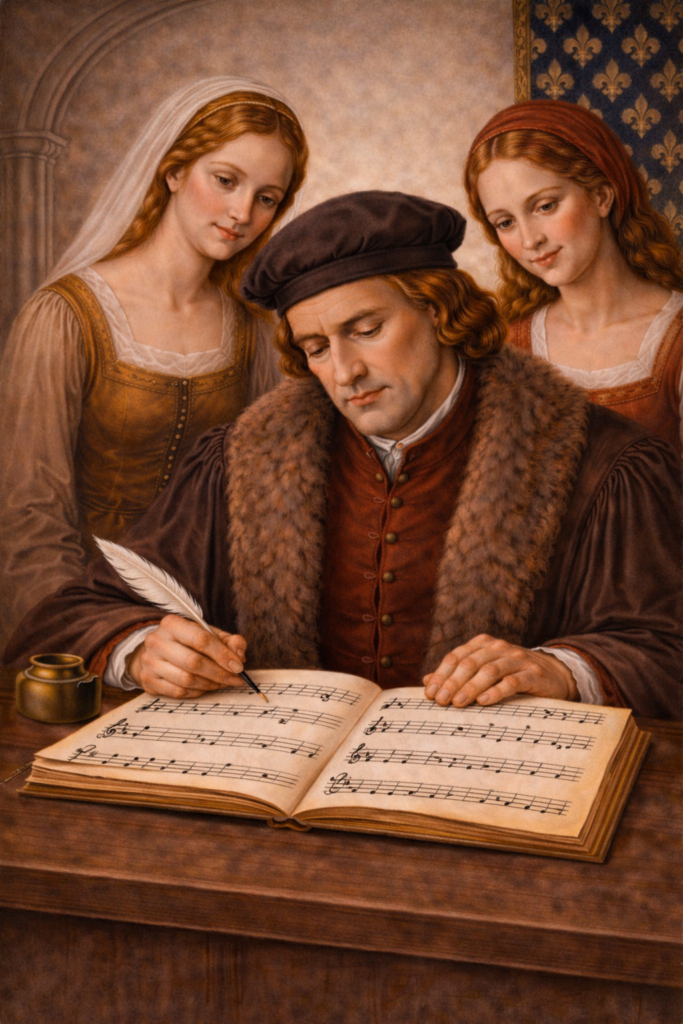
Josquin des Prez (about 1450-1521) was a Flanders-born singer and composer. He sometimes used musical cryptograms, soggetto cavato, which incorporated solmization symbols, to write messages into his music. He would often spell out someone’s name as a way to pay homage.
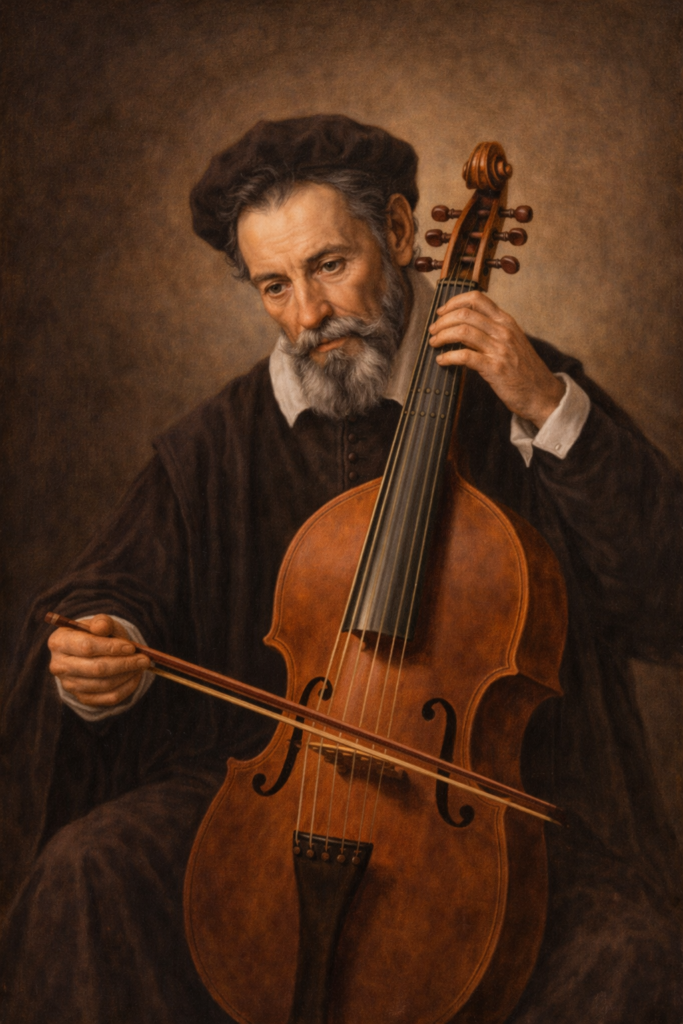
Claudio Monteverdi (1567-1643) was an Italian-born string player and composer. He is considered to be transitional in both the Renaissance and the Baroque Eras. He is also known for his use of word painting in his madrigals. Word painting involved matching the music to the meaning of the words, which was a popular form of composing in the day. He expanded and dramatized this form.
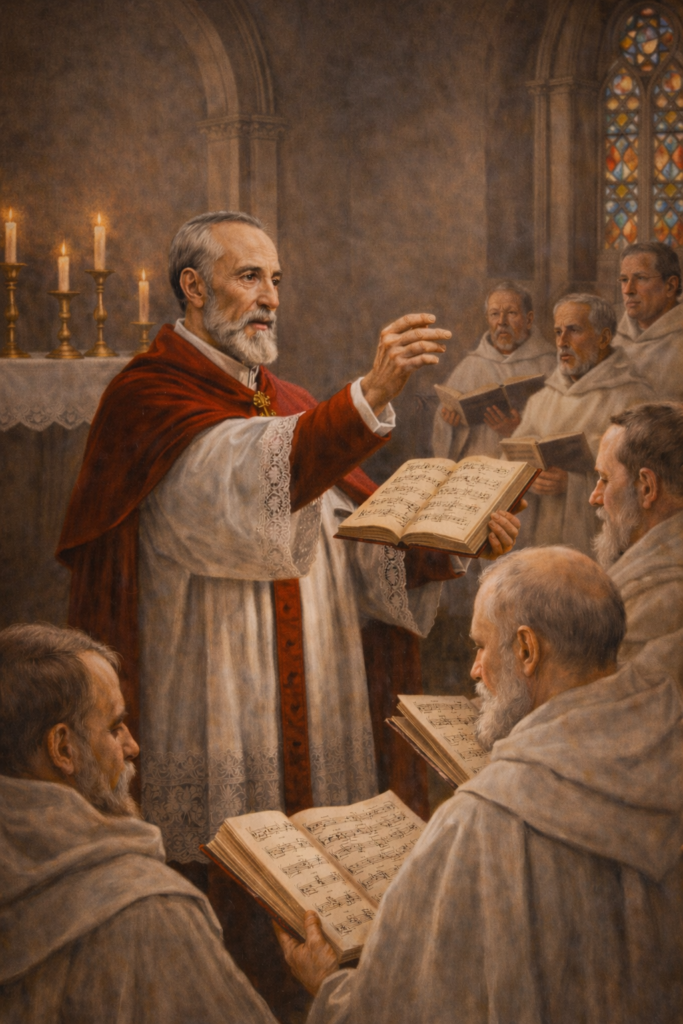
Giovanni Pierluigi da Palestrina (1526-1594) was an Italian-born singer and composer. There is a legend that, during The Council of Trent, Church leaders were considering going back to monophonic music (Gregorian Chant). There was a concern that polyphonic music made it too difficult to recognize the text of the music. The story continues that Palestrina wrote a six voice polyphonic Catholic Mass, Missa Papae Marcelli, to show that polyphonic music could still be used and the words could still be understood.
This story is most likely not true, the timeline of the writing of the mass not coinciding with the timeline of the council. However, Palestrina’s compositions did prove that polyphony could still be used successfully in the Catholic Mass. His compositions became the standard for sacred music of the day.
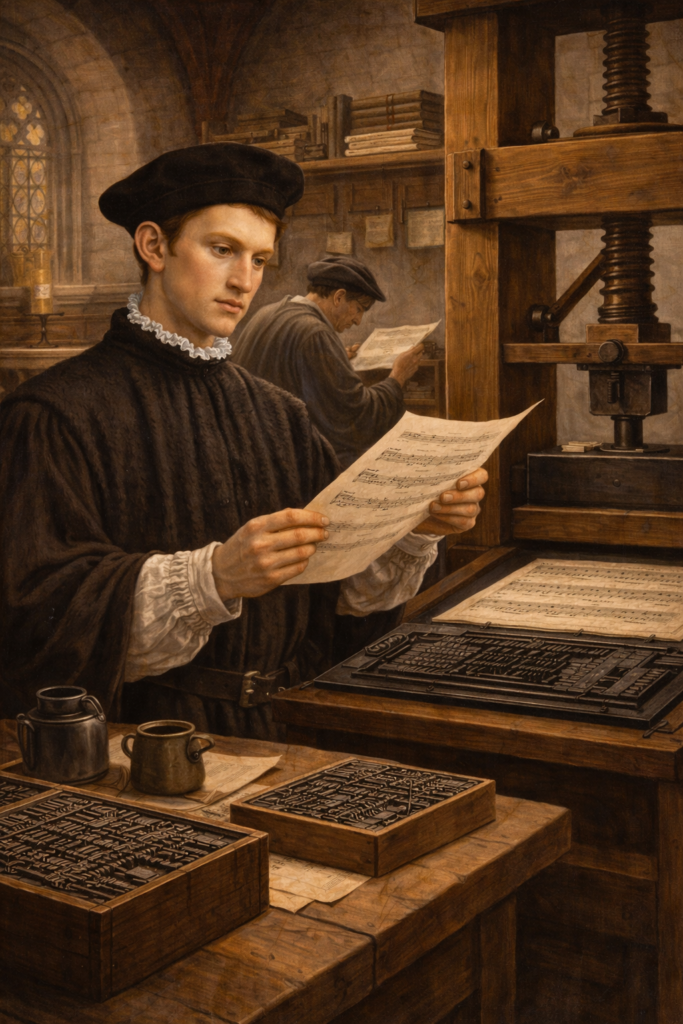
Ottaviano Petrucci (1466-1539) was an Italian-born printer. Though not a musician, he printed the first major collection of polyphonic music, Harmonice Musices Odhecaton, a compilation of 96 chansons, in 1501. This meant that written music could be produced on a large scale and shared throughout the European world!
The Baroque Era
1600-1750
Composers began writing operas, cantatas, and oratorios, which eventually became available to the middle-class and working-class people. Chamber music for intimate gatherings of the upper classes also became popular and widespread.
FUN & INTERESTING FACTS
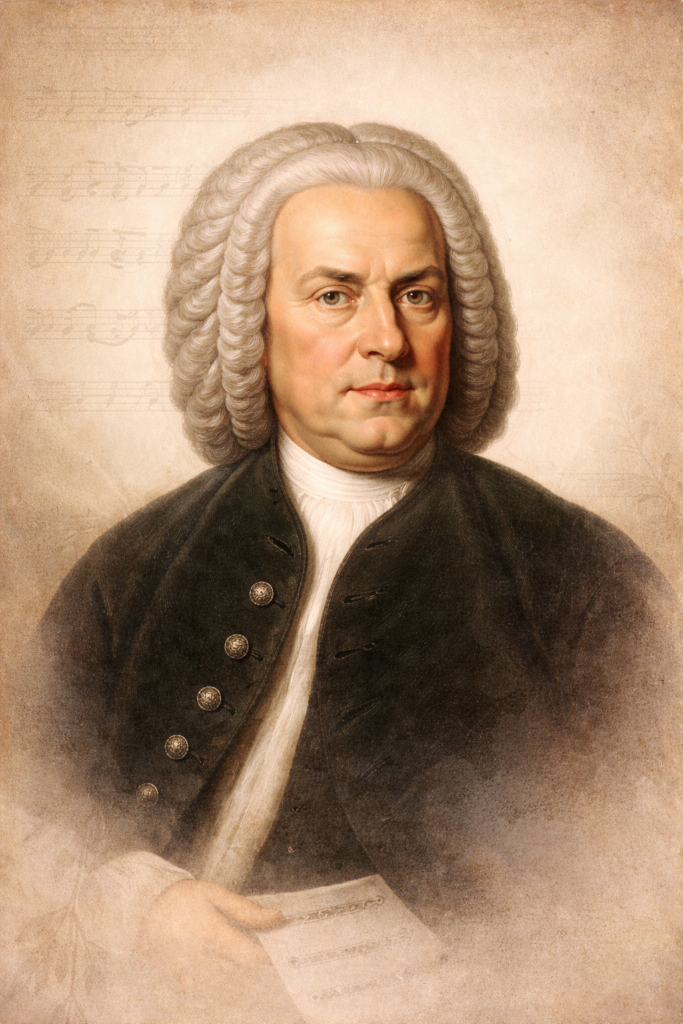
Johann Sebastian Bach (1685-1750) was a German-born composer who played the organ, harpsichord, clavichord, violin, and possibly the viola. He married Maria Barbara Bach in 1707. They had seven children. Maria died suddenly, in 1720, while Johann was in Carlsbad. It took him some time to return home, so she was buried and the funeral was held without him.
Bach married Anna Magdalena Wilcke in 1721. They had thirteen children.
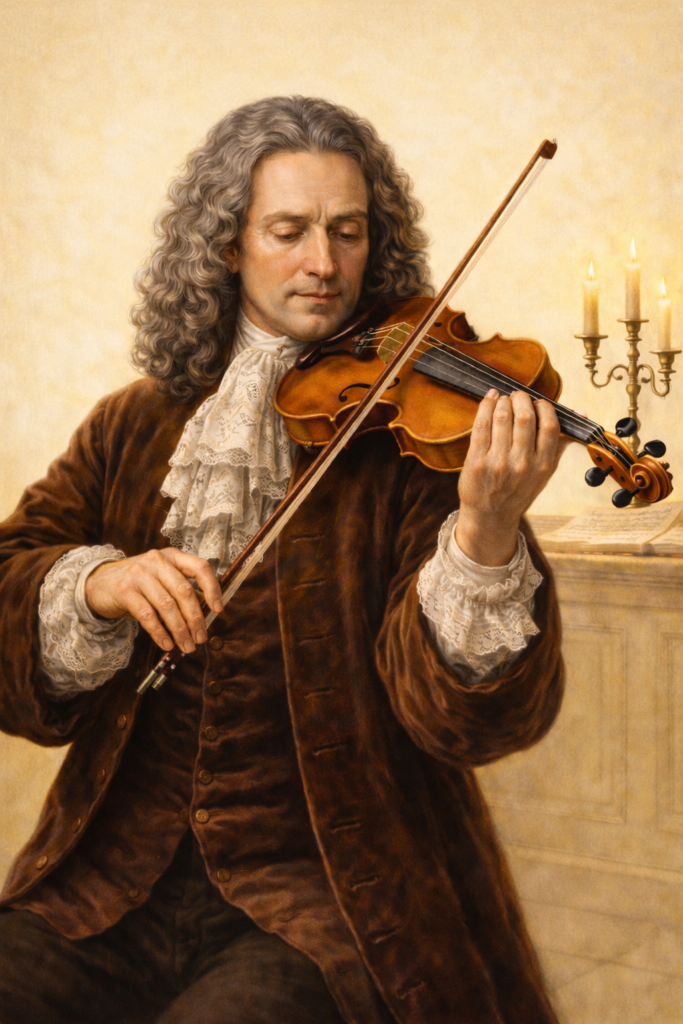
Arcangelo Corelli (1653-1713) was an Italian-born violinist and composer. He didn’t write any operas, which was unusual for a composer of his day. He also didn’t often write high notes in his violin parts. He liked to keep the notes within a comfortable playing range for violinists.
One of his writings, Concerto Grosso in g minor, Op. 6, No. 8, was a famous concerto grosso in its time. This concerto is also known as The Christmas Concerto Grosso and is subtitled Fatto per la Notte di Natale, which means Made for the Night of Christmas. It is one of the earliest writings that was specific for a holiday.
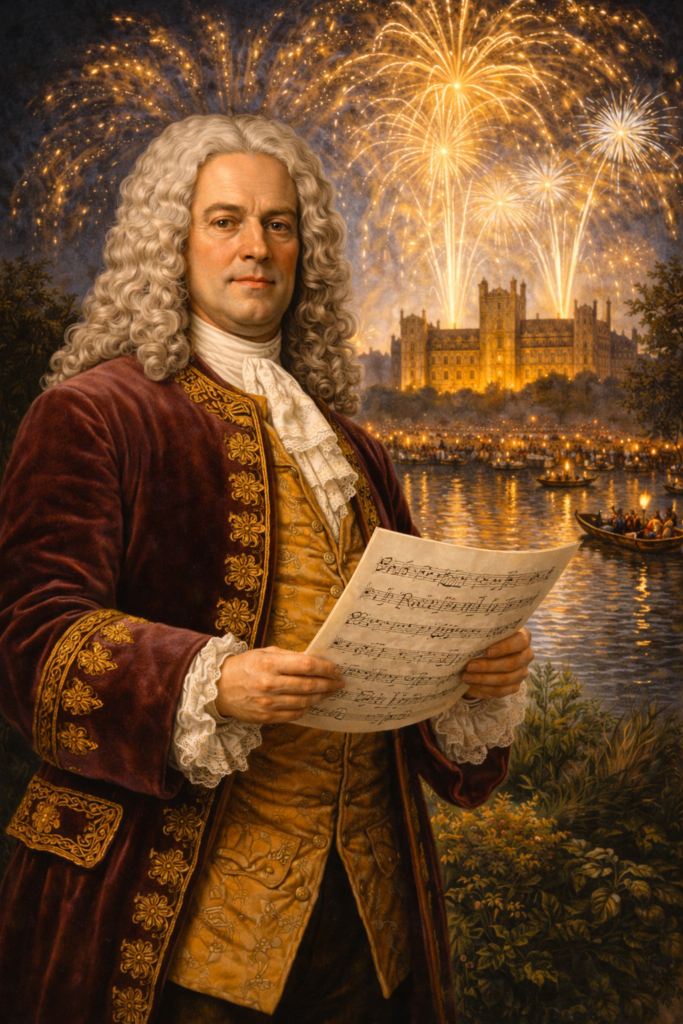
George Frideric Handel (1685-1759) was a German-born composer. He is known for his oratorio The Messiah, as well as the Water Music suites, and his suite Music for The Royal Fireworks.
Handel wrote the oratorio The Messiah in approximately twenty-eight days. Traditionally, we stand for the Hallelujah Chorus. The legendary story is that when King George II of Great Britain went to a performance of The Messiah and heard the Hallelujah Chorus, he was so moved that he stood up. And when the king stands, everyone else must stand.
There is no actual proof of this story. But it’s a beautiful tradition to stand for the King of Kings, and Lord of Lords.
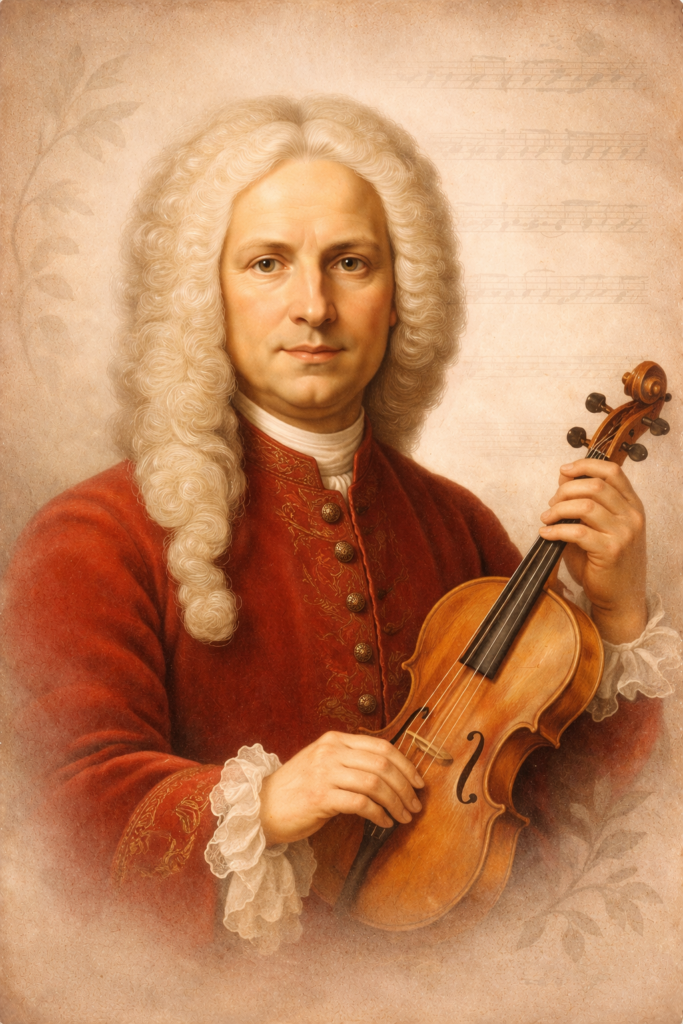
Antonio Lucio Vivaldi (1678-1741) was an Italian-born composer and violinist. He is known for his violin concertos, The Four Seasons. Vivaldi wrote over 500 concertos, about 230 of which were violin concertos. Violinists jokingly say that he wrote 1 violin concerto 230 times!
The Classical Era
1750-1820
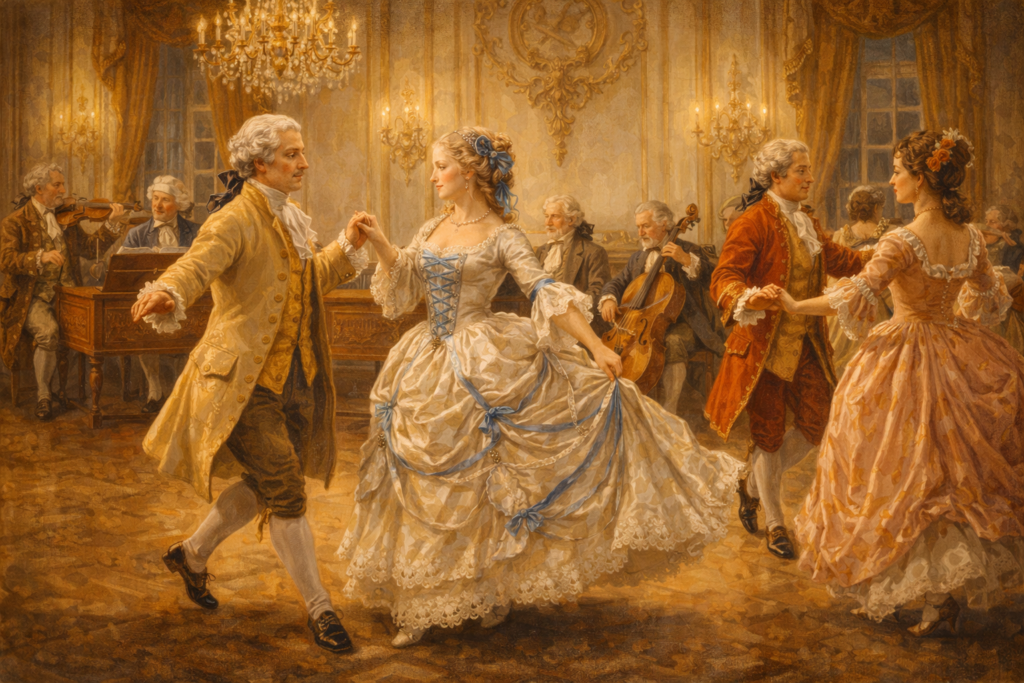
During the Classical Era, composers began to write music for larger ensembles. Chamber groups became larger, creating symphony orchestras that gradually expanded to around 30-60 performers. These orchestras included brass and percussion instruments more frequently than was done in Baroque Era chamber music. So, concert halls were built to accommodate these larger audiences. Which caused composers to write symphonies with larger orchestras in mind.
The invention of the pianoforte, which could be played loudly as well as softly, also influenced composers to experiment with dynamics.
FUN & INTERESTING FACTS
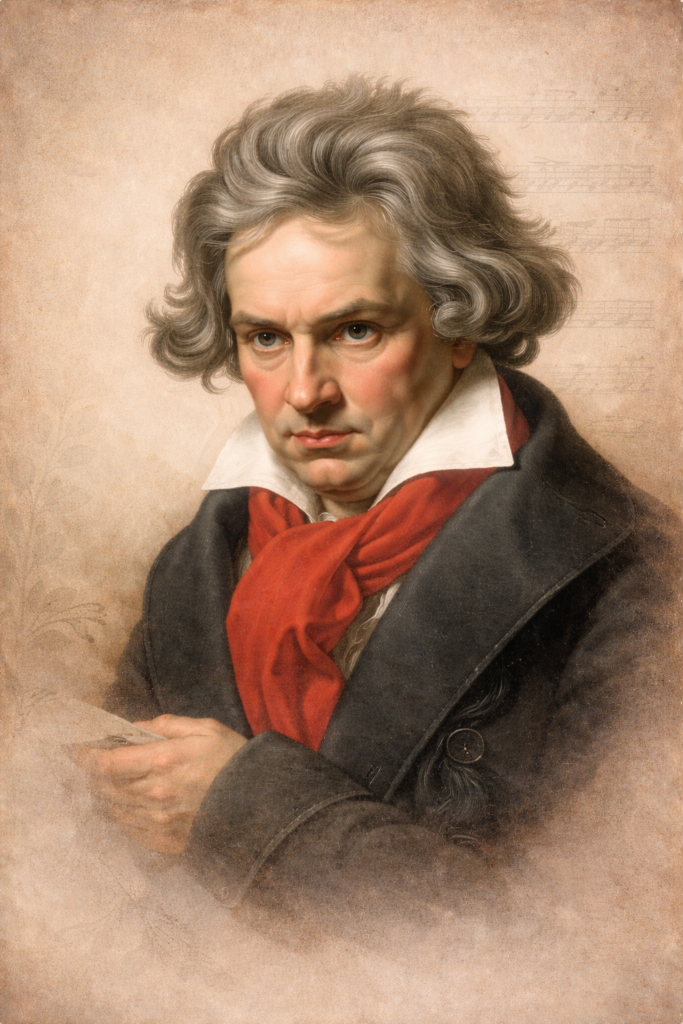
Ludwig van Beethoven (1770-1827) was a German-born pianist and composer. In studying his nine symphonies, we see a development and evolution of Beethoven’s composing style. His style evolved from classical to more energetic and expansive, which then led to new forms of orchestration.
With his final symphony of this series, Symphony No. 9 in d minor, he had made many changes. This symphony was much longer than typical for the time period, about seventy minutes long. Which was also longer than each of Symphonies Nos. 1-8. His orchestra was larger, with about seventy to eighty musicians. And he had added four vocal soloists and a chorus of about seventy to eighty vocalists. This was the first major symphony to include vocal soloists and a choir.
Symphony No. 9 in d minor premiered in Vienna on May 7th, 1824. Beethoven was just about entirely deaf by this time. He stood on the stage with the orchestra, even though he couldn’t hear them. The orchestra was conducted by Beethoven’s colleague, Michael Umlauf.
At the end of the performance, the audience clapped and cheered and shouted and waved their hats and their handkerchiefs. Beethoven heard none of this and was unaware that the symphony had ended. He was still facing the orchestra.
A member of the choir, thought to be Caroline Unger, went up to Beethoven and turned him around. Then he could see the appreciation of the audience. The audience gave Beethoven five rounds of applause. This was unheard of, with royalty being given a standard of three rounds of applause.
Beethoven’s Symphony No. 9 in d minor, also known as The Choral Symphony, and The Ode To Joy Symphony, combined instruments and voices on a grand, dramatic scale. And it amazed and delighted the audience in a joyful way!
(The information about the premier performance is taken from reports of the day and is accepted by historians as accurate.)
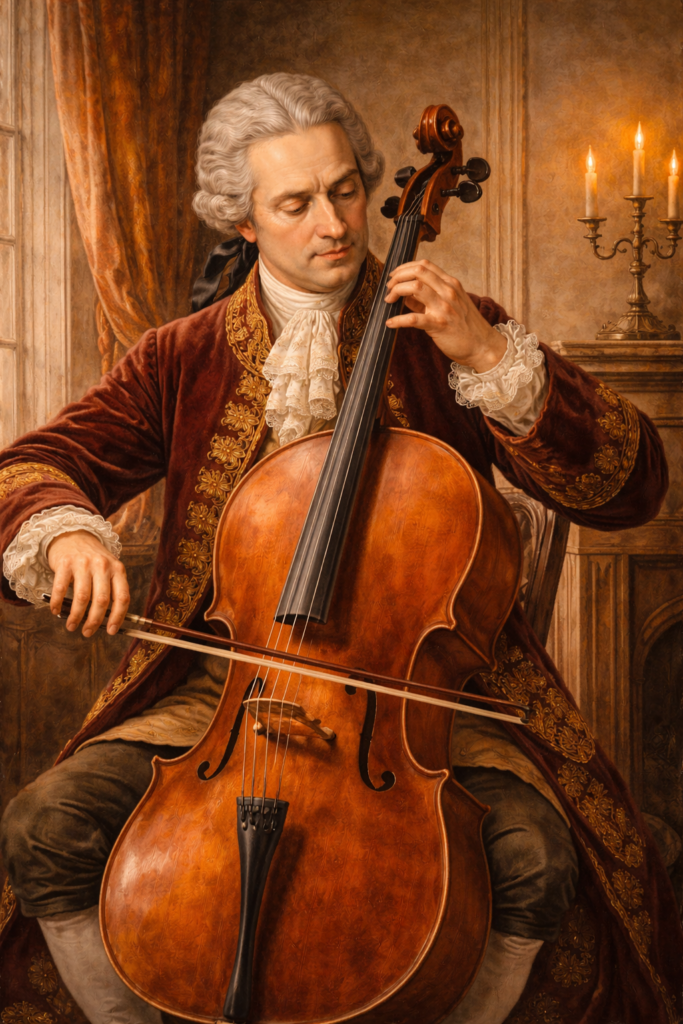
Ridolfo Luigi Boccherini (1743-1805) was an Italian-born cellist and composer. His String Quintet in C Major, G. 324, was used in the movie Master & Commander: The Far Side of the World. In the movie, Captain Aubrey played the violin, and Dr. Maturin played the cello. They played a version of mvmt. 6, Musica Notturna delle Strade di Madrid, which was adapted for the movie.
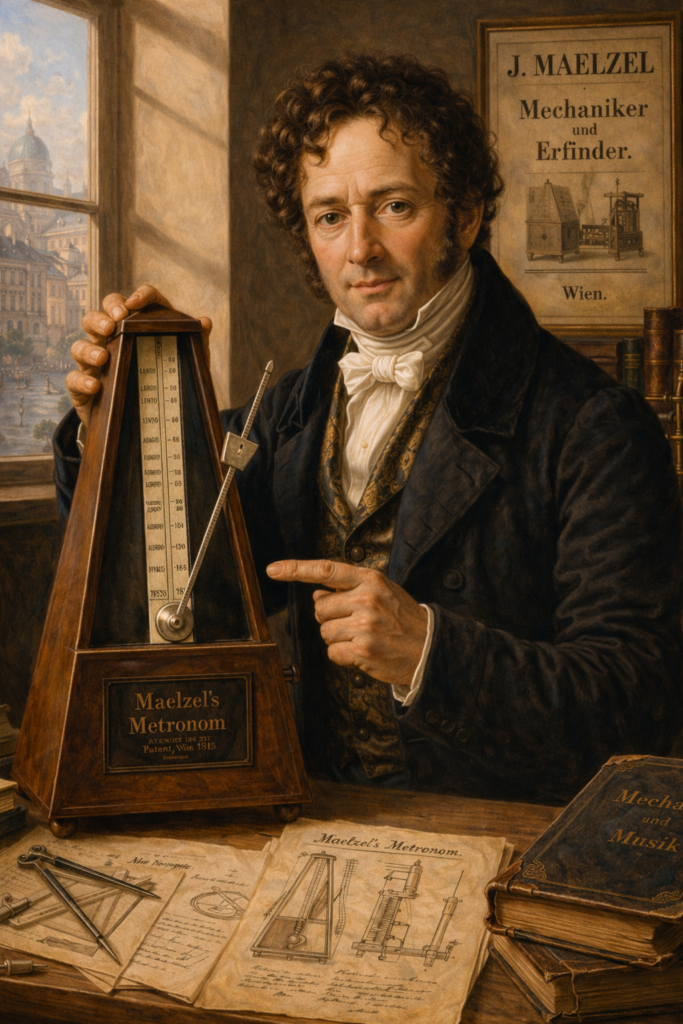
Johann Nepomuk Maelzel (1772-1838) was a German-born inventor and entrepreneur. He is credited for inventing the metronome, although he took the design from Dietrich Nikolaus Winkel. Maelzel copied it, patented it, then popularized it and sold it as his own invention. Beethoven was the first major composer to start using metronome markings.
These tempo markings are indicated with M.M. The history of the metronome has been lost in modern times. Most people think M.M. stands for “metronome marking” or “metronome measure.” It actually stands for Maelzel’s Metronome.
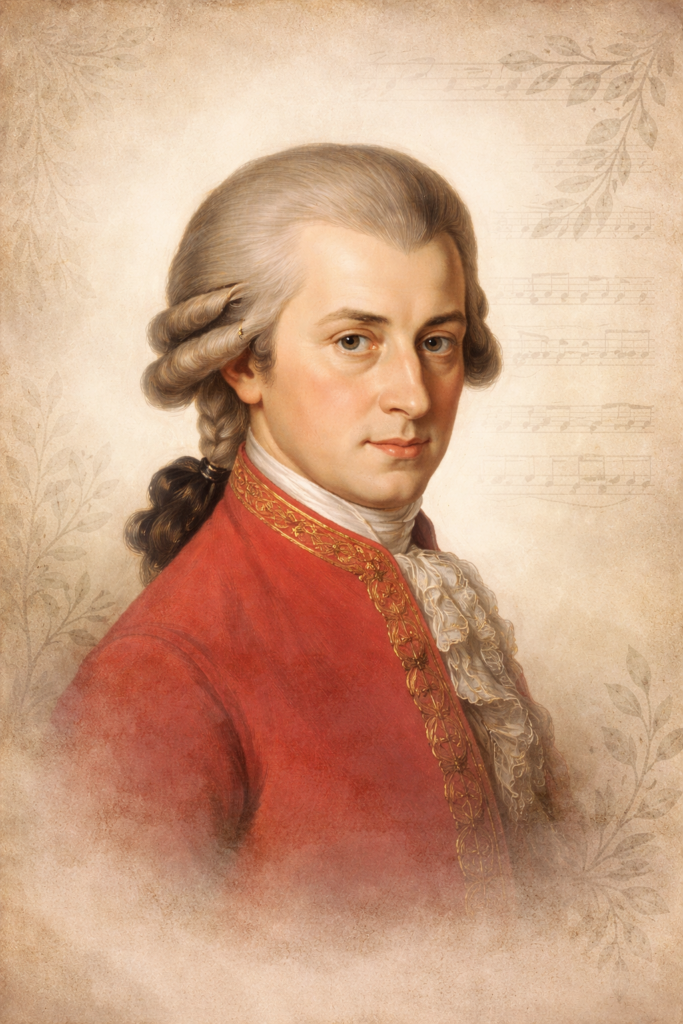
Wolfgang Amadeus Mozart (1756-1791) was a Salzburg-born musician and composer. He was a child prodigy, guided under the tutelage of his musician father, Leopold. Mozart wrote one of his first full operas, La Finta Semplice, at the age of twelve.
There is a fun story that is told of him, though it is not substantiated.
When Mozart was a child, his mother would get him out of bed by playing 7 notes of a scale. Young Wolfgang could not sleep with an unfinished scale sounding in his head. So, he would have to get out of bed to finish the 8th note of the scale.
Mozart is also believed to have had perfect pitch.
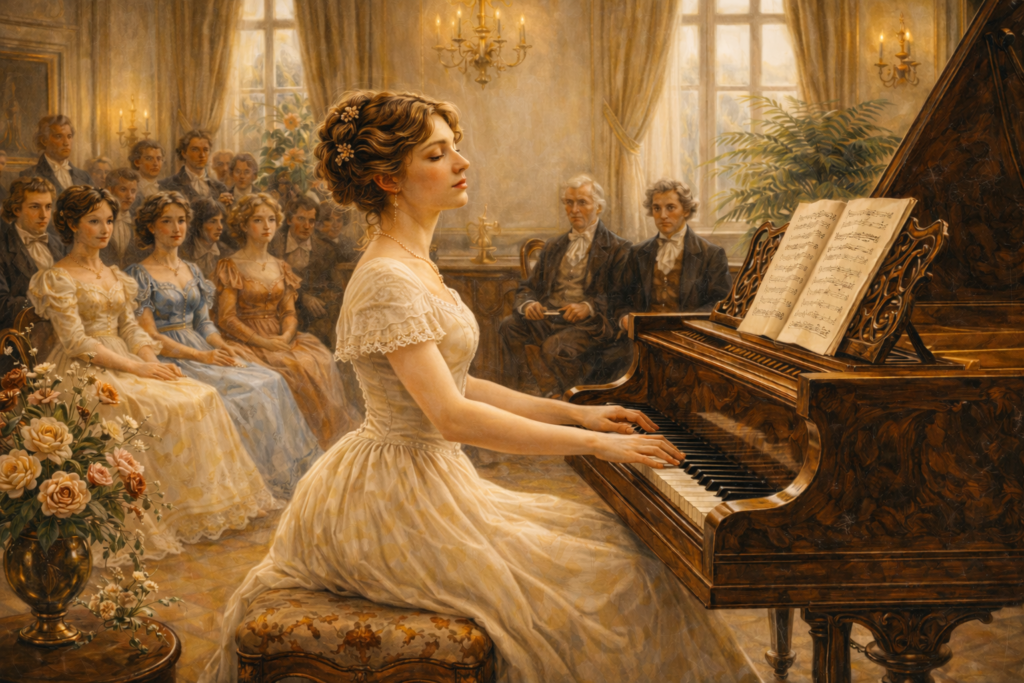
The Romantic Era
1820-1900
Opera went through a dramatic change during the Romantic Era. Heavily influenced by Richard Wagner, some operas grew into grand spectacles. In many of the operas, the orchestra would have 80-100 musicians, sometimes more. They were often joined by a chorus of 60-100 people. Sets and costumes became elaborate, and the opera would often include ballet. And the operas were often long, 4 hours or more.
FUN & INTERESTING FACTS
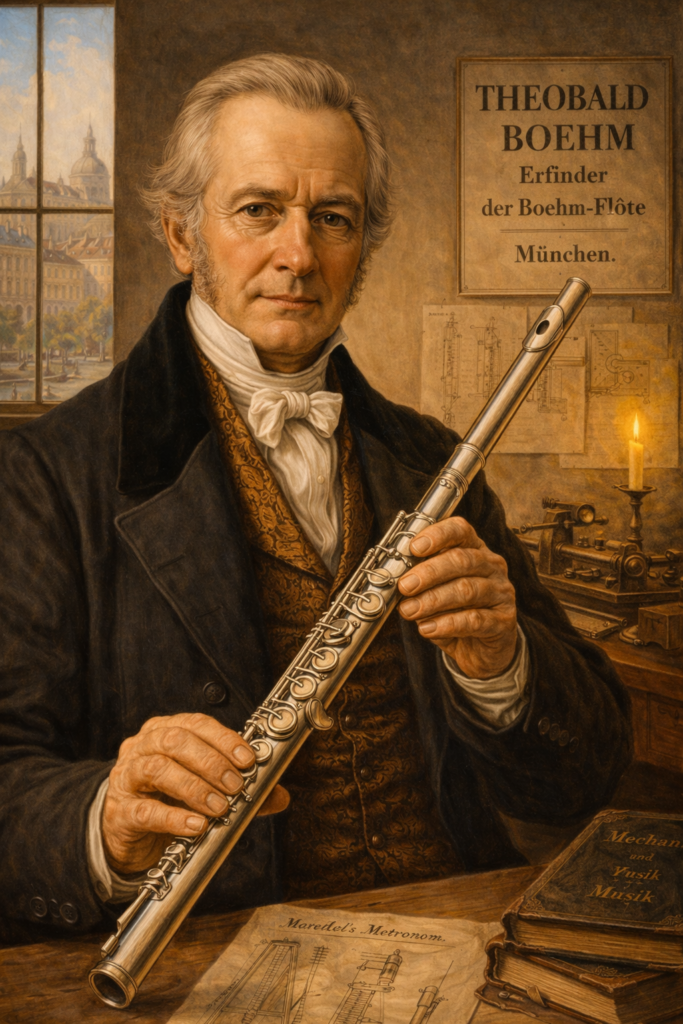
Theobald Boehm (1794-1881) was a German-born inventor, composer, and flutist. He reworked the flute, which was wooden, hard to play, hard to project, and really hard to play in tune. Boehm changed the flute’s key mechanism, creating easier to play fingerings. He also changed the shape from conical to cylindrical, as well as changed the shape and placement of the embouchure hole. This made it easier to play in tune. Another important change that he made was making the flute out of metal, instead of wood. This gave the flute a bigger and brighter sound, which made the flute more adaptable for the concert hall. This led to a gradual change, as wooden flutes were replaced by metal flutes.
Theobald Boehm is attributed to keeping the flute from becoming an obsolete instrument. All flutists thank you!
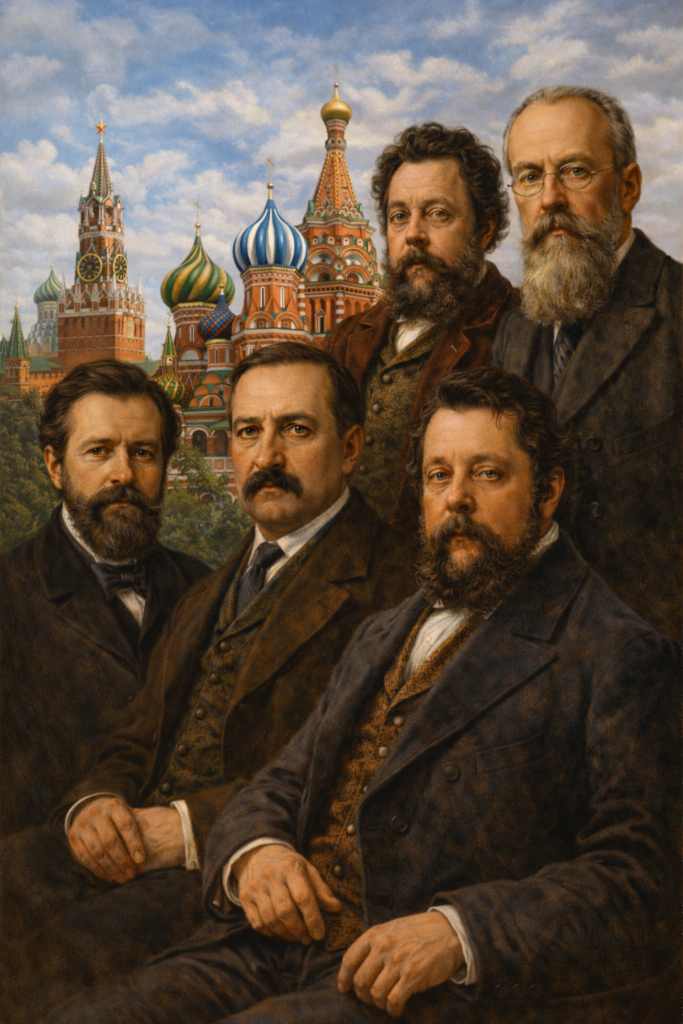
The Five, also known as The Mighty Handful “Moguchaya kuchka,” sometimes The Russian Five for distinguishing purposes (approximately 1856-1870) was a group of Russian composers who wanted to keep their music compositions strictly Russian. They were Mily Balakirev, Alexander Borodin, Cesar Cui, Modest Mussorgsky, and Nikolai Rimsky-Korsakov. They were part of a music movement termed Nationalism.
These five were mostly self-taught, not trained in a conservatory. And they had full-time jobs. Balakirev made his living as a professional musician, as a teacher, conductor, and pianist. Borodin was a chemist, a professor at a medical academy, and a researcher. Cui was a military engineer. Mussorgsky was an army officer, and later, a government clerk. Rimsky-Korsakov was a naval officer and later became a composition professor at the St. Petersburg Conservatory.
The Five met regularly to share ideas, critiques, and support each other in keeping their compositions Russian-based. By around 1870, they began to drift apart. Balakirev had a personal and artistic crisis. Borodin decided to focus more on chemistry. Cui had been incorporating Western music into his compositions, specifically French styles. Mussorgsky became withdrawn. And Rimsky-Korsakov took a teaching position at the St. Petersburg Conservatory and went a different direction.
The Five were influential in helping Russia create its own musical sound, which had a worldwide impact on composers. They influenced Western European composers to include in their writings pride in their own culture and traditions.
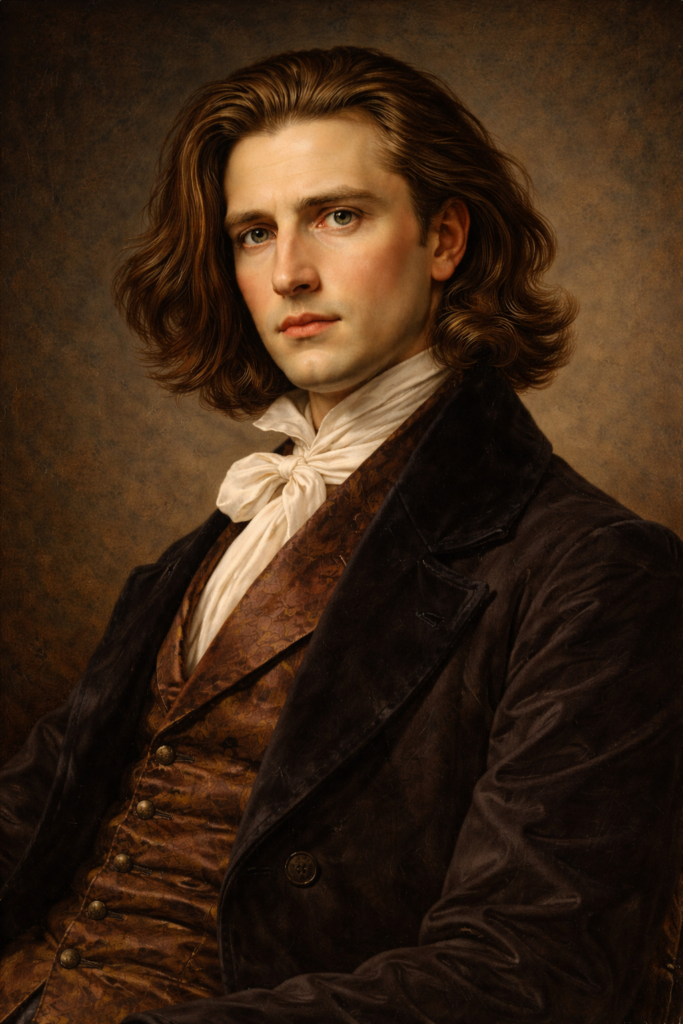
Franz Liszt (1811-1886) was a Hungarian-born pianist, teacher, and composer. He became a piano virtuoso at a young age and travelled extensively throughout his life, performing, teaching, and composing. In 1831, at the age of about twenty, Liszt attended a concert given by Niccolo Paganini, a virtuoso violinist with quite a following. This had a profound impact on Liszt. It is widely believed that Liszt determined to become “The Paganini of Piano.”
Due to his piano virtuosity and his good looks, he became immensely popular. This period of his life, Liszt was in his thirties, was known as “Lisztomania.” Women would follow him around to catch his discarded cigar stubs, fight over his coffee dregs, and take his personal items such as gloves and handkerchiefs. And Liszt really was all that! Through his compositions, and support of young piano aficionados through his teachings, Liszt left an extraordinary legacy.
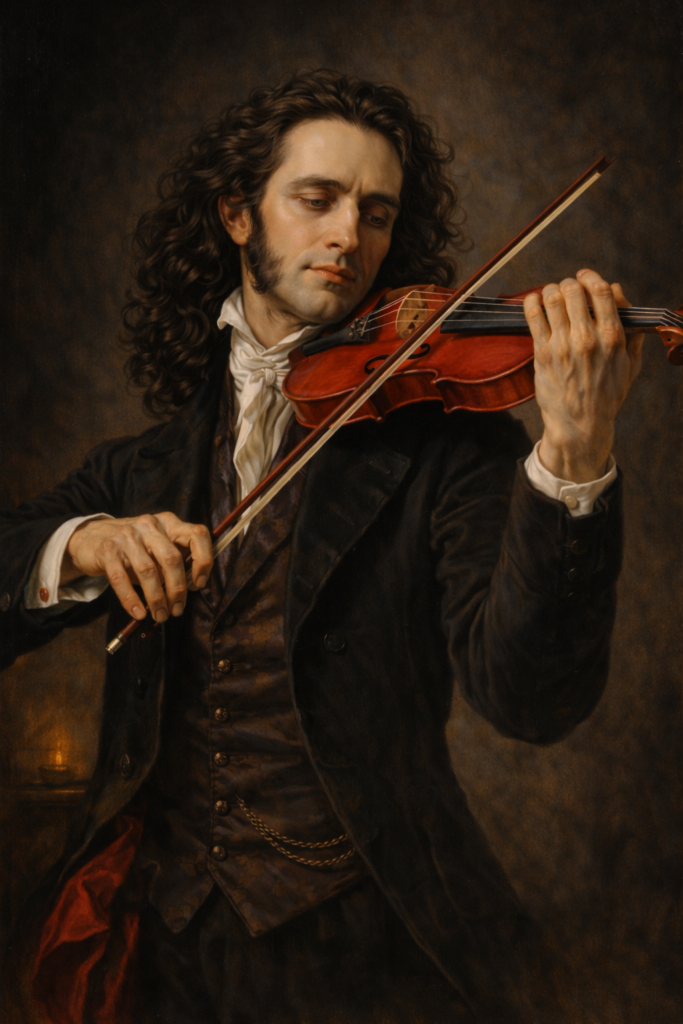
Niccolo Paganini (1782-1840) was an Italian-born composer and virtuoso violinist. His technique and skill with the violin was unique and phenomenal. Through giving concerts while touring and freelancing, Paganini began to make a name for himself. At age thirteen, he was becoming noticed and known by other musicians. By age seventeen, he was becoming famous throughout Europe.
Paganini became a legend and a phenomenon throughout Europe. Rumors about him were abundant and outrageous:
- He had sold his soul to the devil.
- He was the devil.
- His violin was possessed by the devil.
- He was bewitched.
- The devil guided his bow.
- His abilities on the violin were supernatural.
Paganini’s extraordinary abilities were disturbing and unsettling to people. The myths and rumors that circulated about him increased his popularity, as well as kept people wary of him.
The truth was that he had the ability to take violin technique farther than anyone else had as of yet.
Paganini, who had chronic health issues largely due to his lifestyle, died in 1840 at the age of fifty-seven. Because he refused the last rites, thinking they were premature, and because of the strength of the rumors about him, he was denied a proper Catholic burial. His body was embalmed and was moved from town to town, some cities refusing entrance.
Another rumor that went round was that he had burned all his music before dying, because he didn’t want anyone else playing it. Even in death, he was legendary!
Finally, after his son Achille worked for about thirty-six years to clear his father’s name, Paganini was given a proper Catholic burial. And he was laid to rest in Parma, Italy.
Paganini owned several violins and guitars throughout his career. His most famous violin was Il Cannone, The Cannon. It had a dark and powerful tone. It was made in 1743 by Giuseppe Guarneri. It is now on display in his hometown of Genoa, Italy, in the Palazzo Doria-Tursi Museum.
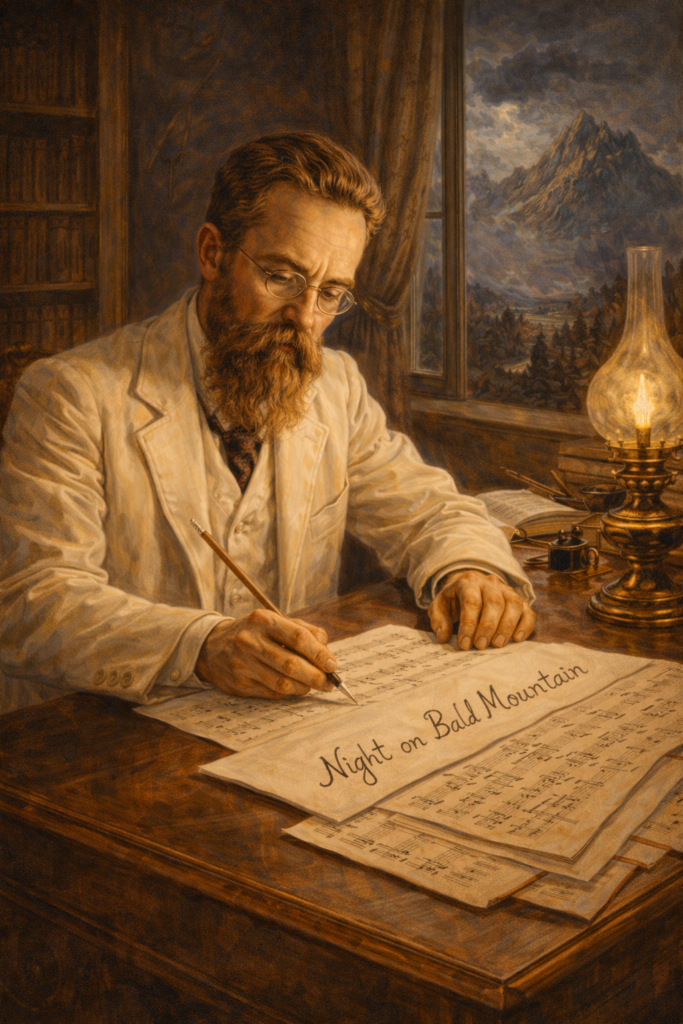
Nikolai Rimsky-Korsakov (1844-1908) was a Russian-born composer. He is known for his symphonic suite Scheherazade and for the symphonic tone poem Night on Bald Mountain. Modest Mussorgsky is the one that wrote the original music for Night on Bald Mountain, which he called St. John’s Night on Bald Mountain. The music was problematic, unfinished, and Mussorgsky never quite figured out how to fix it.
Five years after Mussorgsky died, Rimsky-Korsakov reworked the piece, restructured the harmonies, and re-orchestrated it. This is the version of Night on Bald Mountain that we usually hear today. So, Rimsky-Korsakov generally gets the credit for writing it, but the original idea belonged to Modest Mussorgsky. And Nikolai Rimsky-Korsakov did not try to take credit for it. He called it “Mussorgsky’s Night on Bald Mountain”.
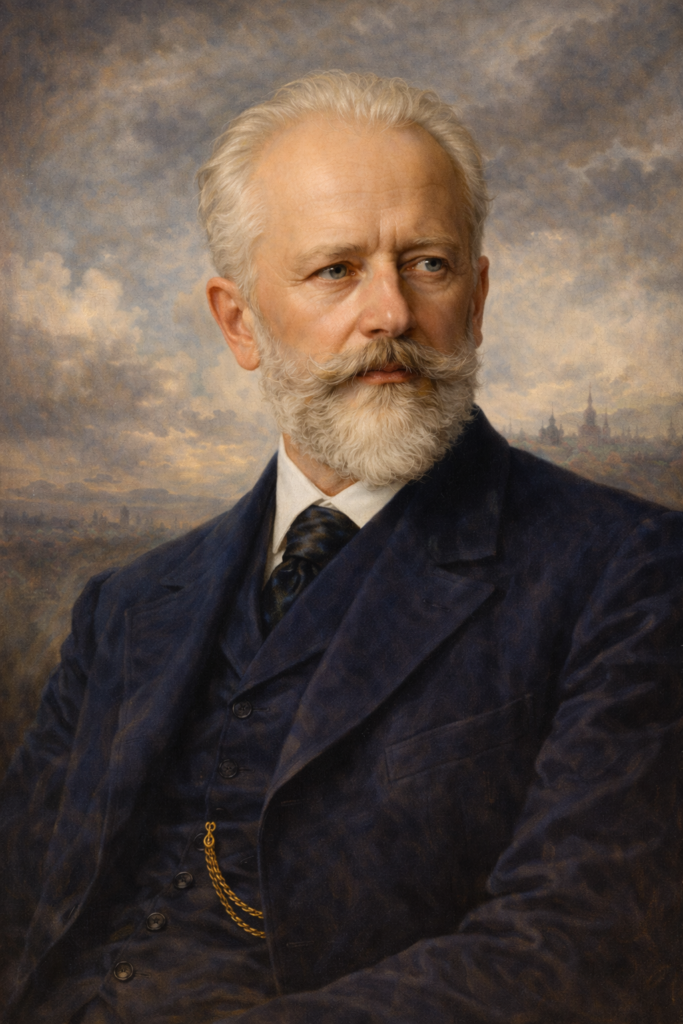
Pyotr Ilyich Tchaikovsky (1840-1893) was a Russian-born composer. His Symphony No. 6 in b minor, The Pathetique Symphony, has 4 movements:
- Adagio-Allegro non troppo
- Allegro con grazia
- Allegro molto vivace
- Finale: Adagio lamentoso-Andante
The second movement is a waltz, written in 5/4 time. Waltzes are generally written in 3/4 time. Tchaikovsky is one of the first composers to experiment with using a different time signature for waltzes.
The fourth movement ends the symphony with a slow and dramatic adagio. This was also unusual for symphonies. Composers wanted to leave the audience excited about the music. So, the final movements of symphonies were typically fast and energetic. Tchaikovsky broke with tradition and made an emotional statement with this final movement.
Tchaikovsky conducted the premiere performance of The Pathetique, on October 16th (October 28th, New Style Calendar), 1893. He died nine days later, on October 25th (November 6th, New Style Calendar), 1893. Many people consider this symphony to be his final farewell, and that it was autobiographical.
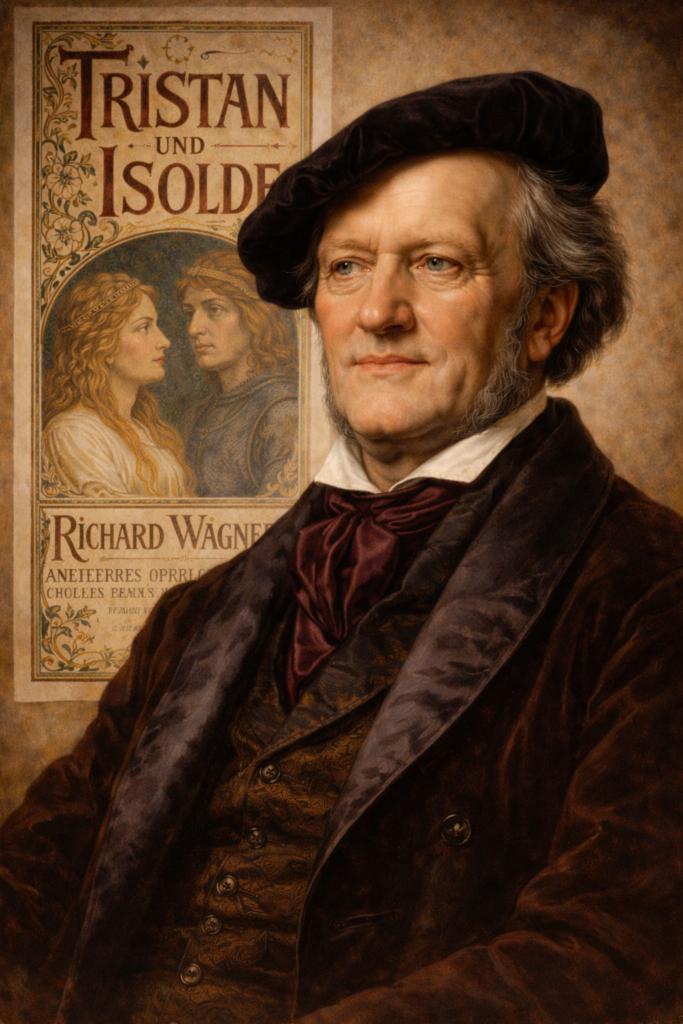
Richard Wagner (1813-1883) was a German-born composer and conductor. He is known for revolutionizing the style of opera with his use of Gesamtkunstwerk, “total work of art.” Wagner unified poetry, music, drama, and stage design as a whole in his operas. And his operas became long, often 4 hours or more.
In his music compositions, Wagner used a technique called delayed harmonic resolution. He wrote long scenes that didn’t resolve musically until the end of the scene or act. His opera Tristan und Isolde famously doesn’t resolve until the very end of the opera. And it’s over 4 hours long! So, if you left early, you would miss the resolution and you would feel unsettled.
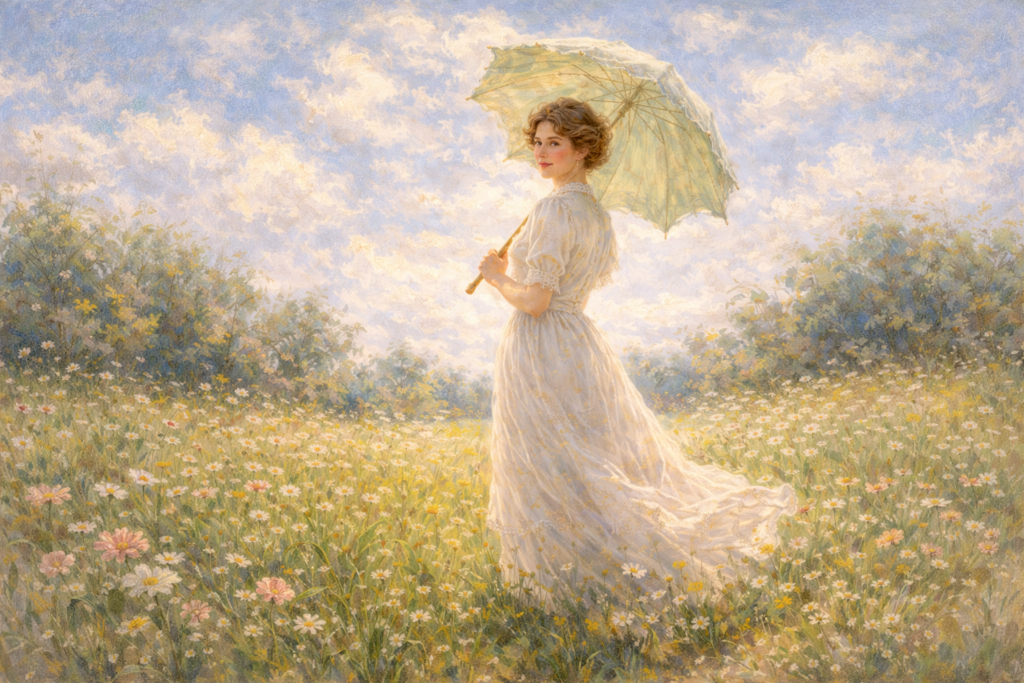
A woman with a parasol in an impressionistic landscape (artist’s interpretation)
The French Impressionistic Era
1890-1925
Towards the end of the Romantic Era, French composers began to experiment with tone coloring. These composers were influenced by the artists of the day, such as Claude Monet, Pierre-August Renoir, Edouard Manet, and Edgar Degas. Artists were experimenting with color, light, and texture. Composers also began to experiment with sound as a color and a texture.
FUN & INTERESTING FACTS
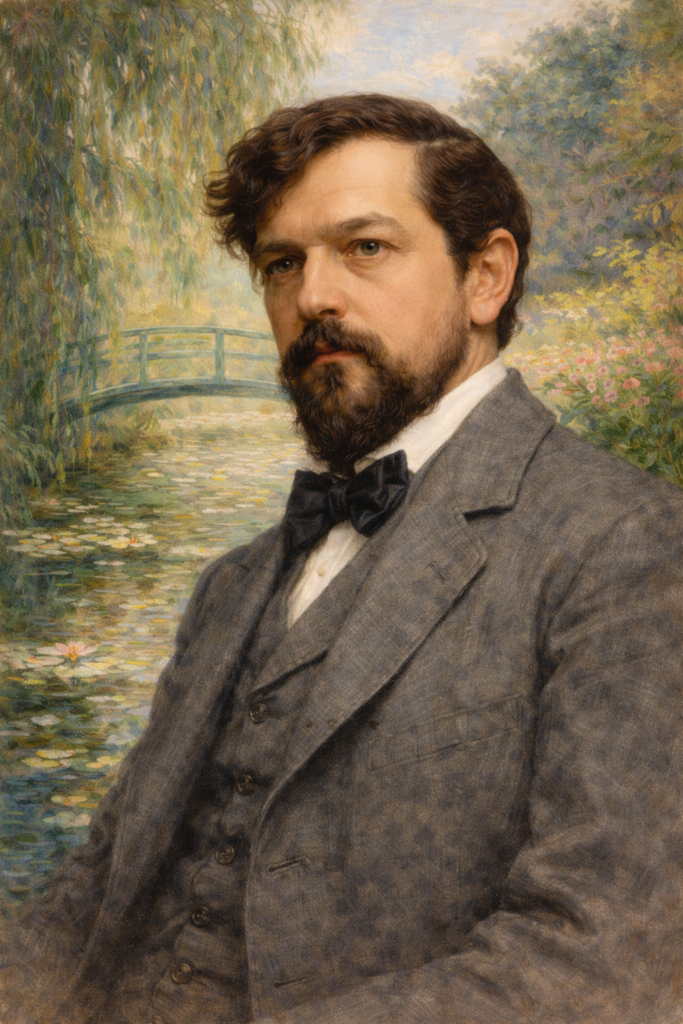
Claude Debussy (1862-1918) was a French-born pianist and impressionistic composer. Debussy was strongly opposed to the term impressionism. And he disliked some performers’ interpretations.
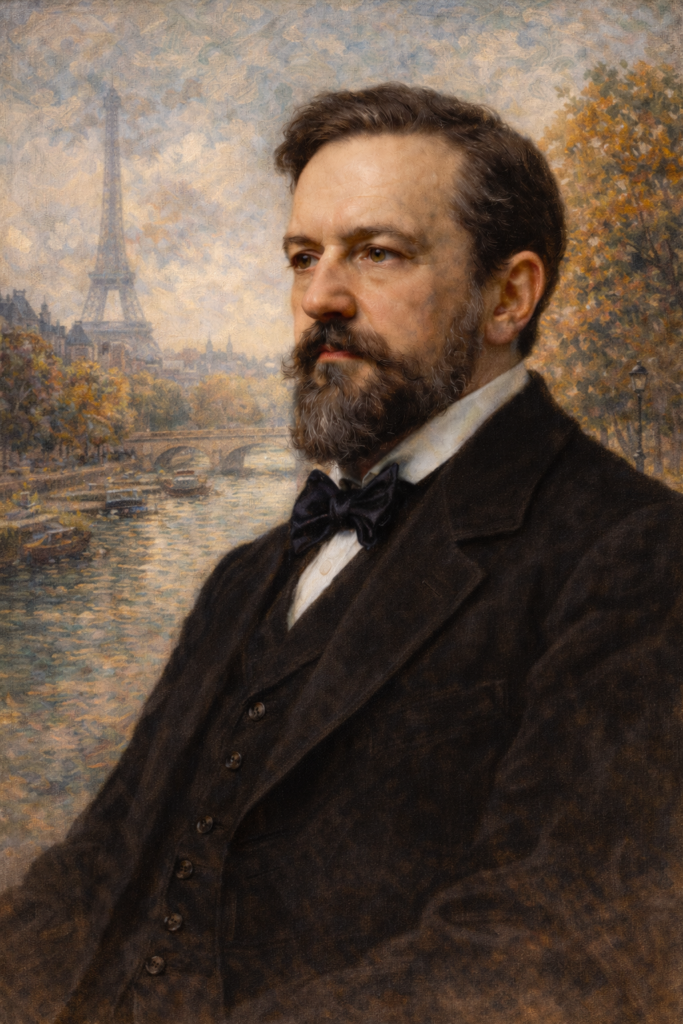
Paul Abraham Dukas (1865-1935) was a French-born impressionistic composer, pianist, music critic, and composition teacher at the Conservatoire de Paris. He is also associates with the late Romantic Era as well as early Modernism.
Dukas is known for his symphonic tone poem, The Sorcerer’s Apprentice. He was a perfectionist, and he destroyed much of his music that he felt wasn’t just right. Consequently, much of his music has been lost.
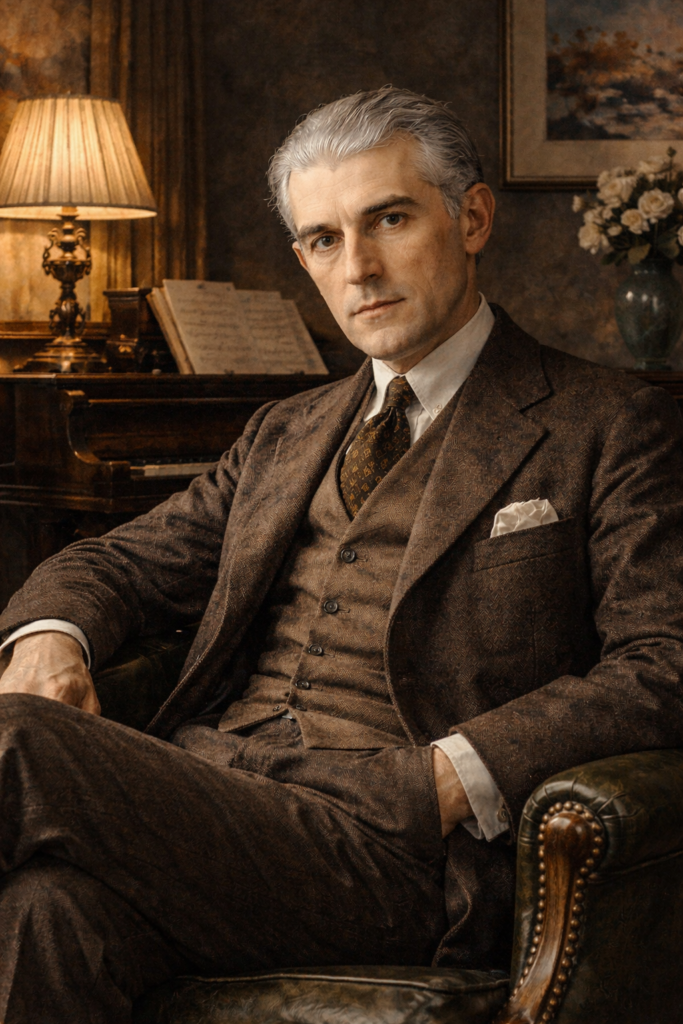
Maurice Ravel (1875-1937) was a French-born pianist, conductor, and impressionistic composer. He disagreed with the term impressionistic, and didn’t like being called an impressionistic composer.
One of his most famous pieces is Bolero, which is basically one long crescendo. The melody repeats itself, with interest coming from changing instrumentation. Of this piece, Ravel said, “I have written only one masterpiece-Bolero. Unfortunately, there’s no music in it.”
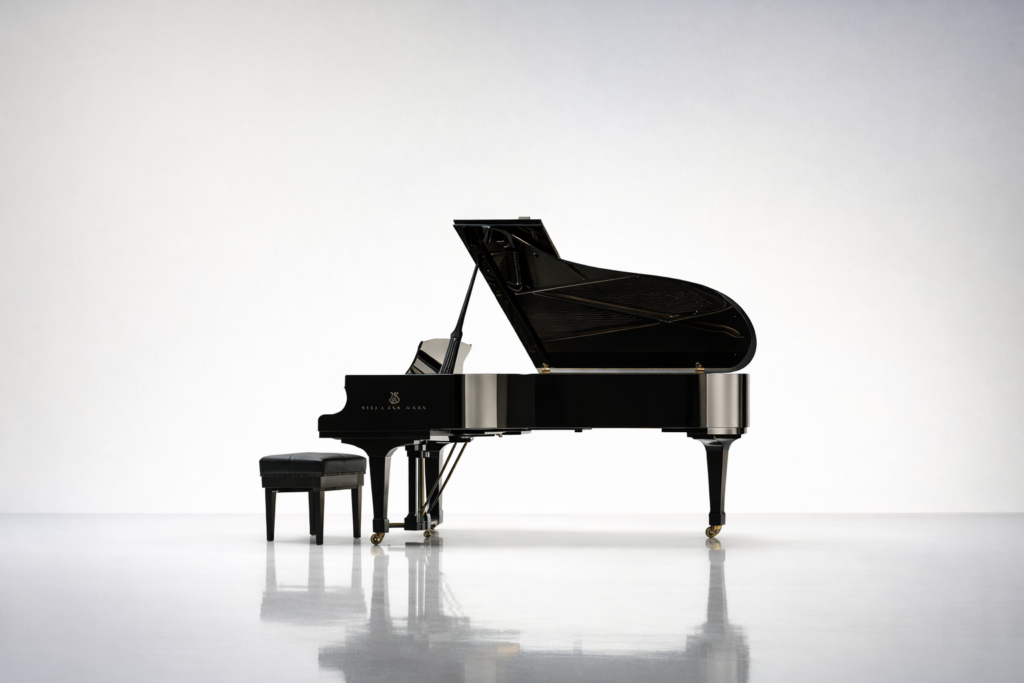
The Twentieth and Twenty-First Centuries
Twentieth-Century composers experimented with unusual techniques, such as meter displacement, polytonality, and dissonance. And they often incorporated elements of folk and jazz music into their compositions.
FUN & INTERESTING FACTS
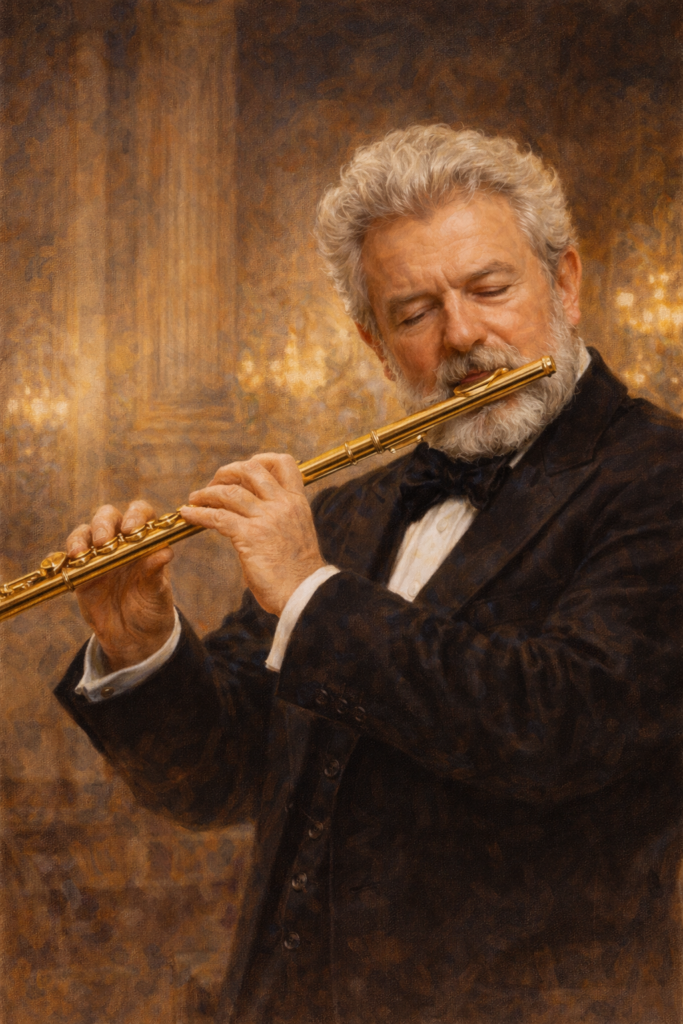
A concert flutist performing on a golden flute (artist’s interpretation)
James Galway (1939- ) is an Irish-born flutist. Galway owns a solid platinum flute made by the William S. Haynes Company. Platinum flutes are very rare, only a few of them exist, and they have achieved legendary status. They have a beautiful dense and dark tone, but are heavy, which makes them cumbersome to play. And they are expensive! Galway performs on his platinum flute occasionally, depending on the sound that he wants from his flute and the piece that he is playing. His platinum flute does not have a known price value, but it is thought to be worth upwards of $200,000.
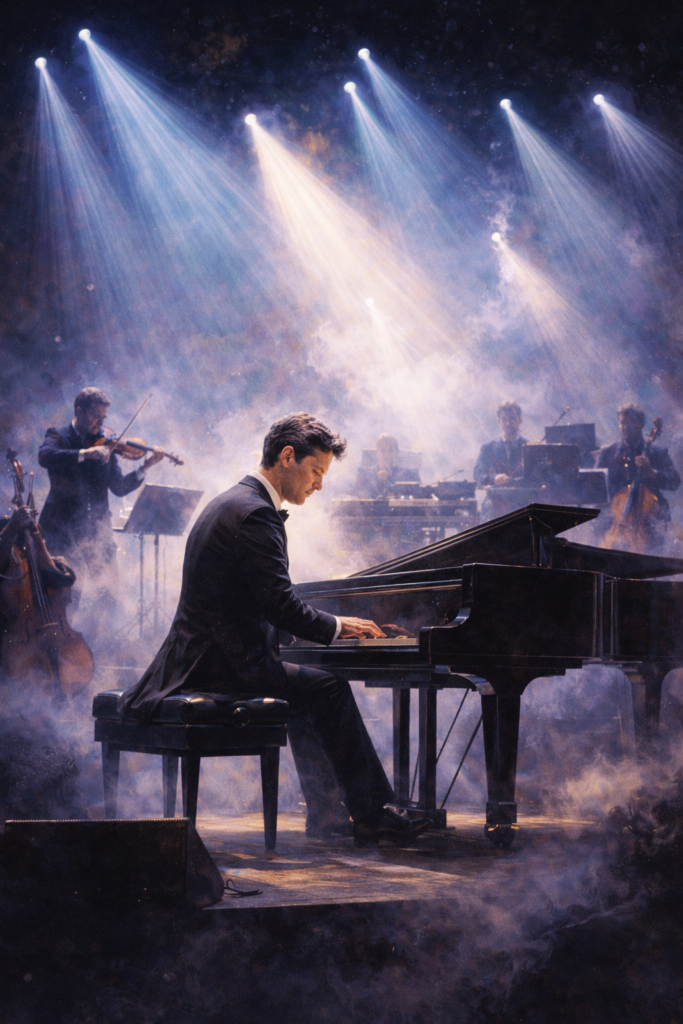
A stylized concert scene inspired by contemporary instrumental music
Mannheim Steamroller (1974- ) is a new age group founded by Chip Davis. The term Mannheim steamroller is a musical term from the 1700s. It was a specific crescendo technique used by the Mannheim orchestra. Chip Davis purposely chose this name for his group as a type of homage to the Mannheim orchestra and their musical contributions.
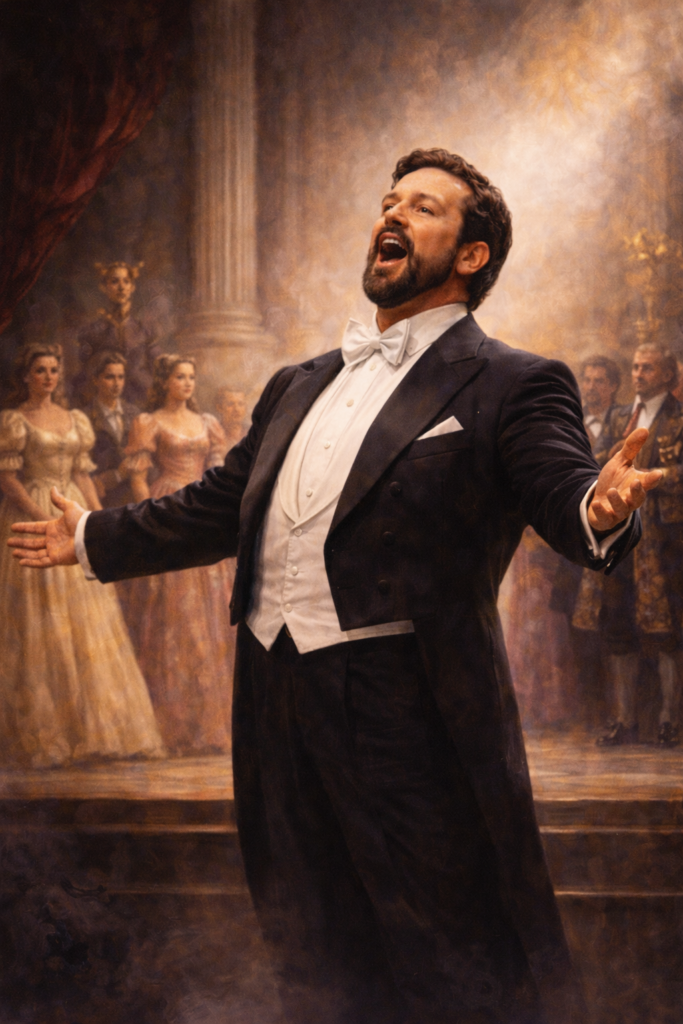
A dramatic opera performance with tenor and ensemble (artistic rendering)
Luciano Pavarotti (1935-2007) was an Italian-born tenor, who became a famous opera singer. But first, he went to school and certified to become a schoolteacher. He taught elementary school for two years before deciding to pursue a career in vocal performance. He made a deal with his father, who was a baker, that he would give this singing career a try for one year. And if he weren’t successful at the end of that time, he would go back to teaching. He was about 26 years old when he decided to change career paths. Within that year, Pavarotti won a major voice competition and made his operatic debut. And the rest is history!
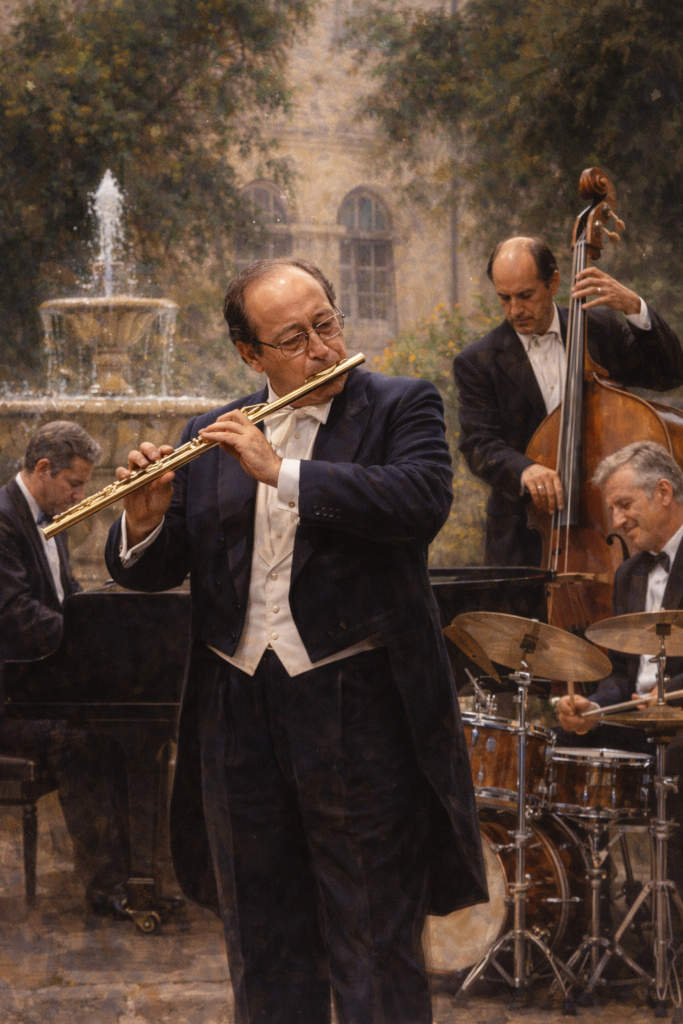
An outdoor ensemble performance featuring a flutist and jazz musicians (artist’s interpretation)
Jean-Pierre Rampal (1922-2000) was a French-born flutist. He was in medical school in Marseille when he decided to change course and try a career as a flutist. He moved to Paris, enrolled in the Paris Conservatoire, and won first place in a flute competition there. He had a successful career, and became one of the most well-known and influential flutists of the 20th Century.
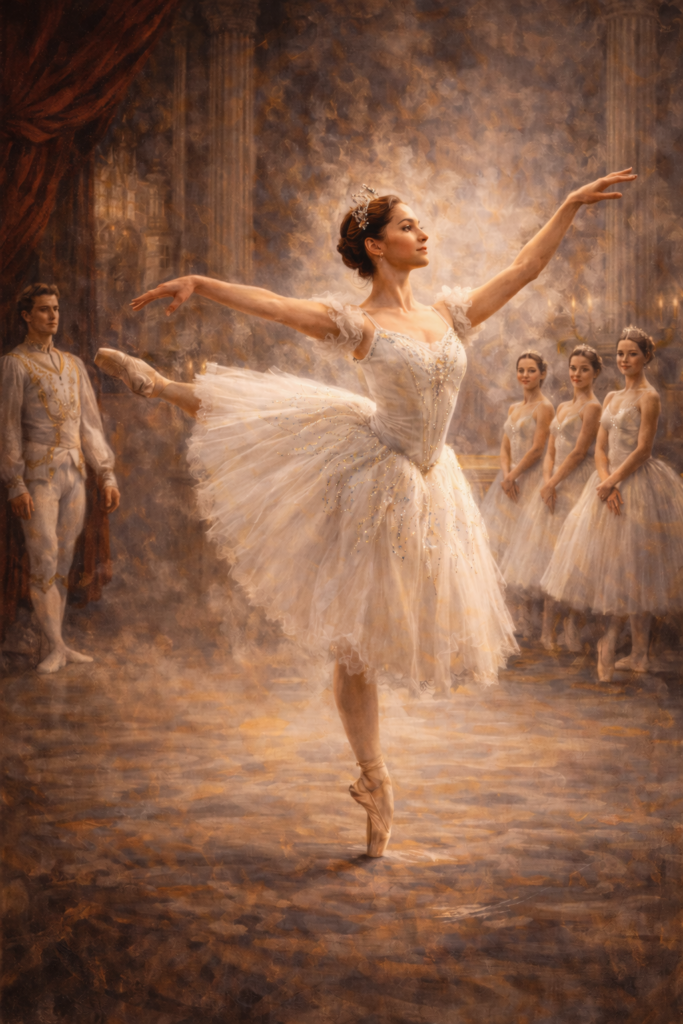
Igor Stravinsky (1882-1971) was a Russian-born composer. He used Russian folk tunes in much of his music. In his ballet The Rite of Spring, which he wrote in 1913, a folk tune that he used was actually from a collection of Lithuanian folk songs. This didn’t bother him, even though it wasn’t Russian music. He just left it in.
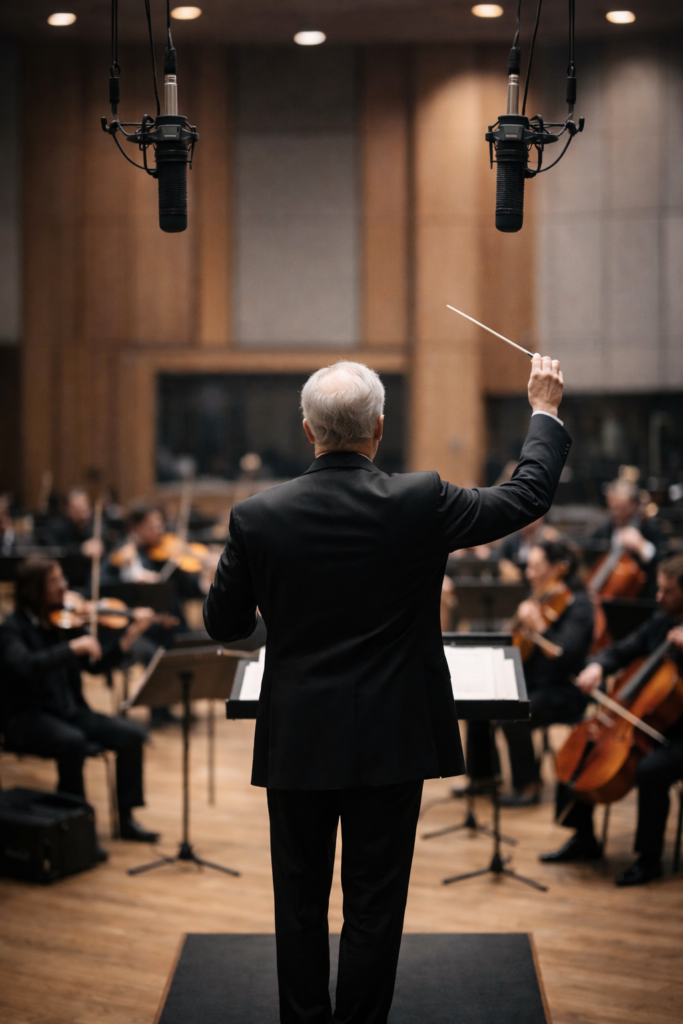
A modern composer conducting a film score in a recording studio (artist’s interpretation)
John Williams (1932- ) is an American-born conductor, composer, and pianist. He has written the music for many popular and successful movies, including Star Wars, Indiana Jones, Harry Potter, and Jurassic Park. He has also won five academy awards for his movie scores.
I hope you enjoyed learning about musicians and composers and the history behind them.
Crafting wishes,
Marilee
Take a look at my other posts with music helps, sheet music, listening lists, and more! Like this one:
Why You Secretly Dislike Classical Music, & What to Listen to Instead
And,
After subscribing to my blog, click here to receive free 2026 monthly calendars:
2026 Monthly Calendars-A Crafting Home Giveaway
Discover more from CRAFTING HOME
Subscribe to get the latest posts sent to your email.